
Sauces & Condiments
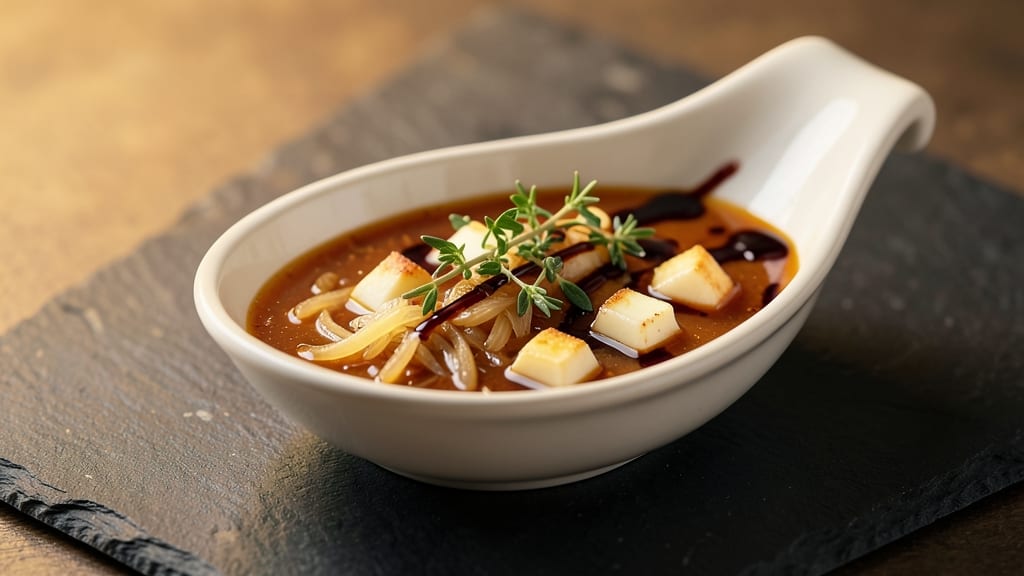
This Armagnac sauce recipe transforms simple roasted meats into something extraordinary with its rich, boozy depth. 🔥 The secret lies in balancing the brandy's warmth with velvety butter and aromatic shallots, creating a sauce that elevates poultry, fish, or even mashed potatoes to restaurant-quality levels.
I developed this version after years of experimenting with French-inspired sauces, and it never fails to impress.
The foundation of this sauce is a classic reduction—shallots gently cooked until translucent, then deglazed with Armagnac brandy to create a fragrant base. What sets this apart is the careful addition of heavy cream and butter, which mellows the alcohol's bite while adding luxurious body.
The result is a sauce that's both sophisticated and approachable, perfect for home cooks who want restaurant-worthy flavor without complexity.
What makes this sauce truly special is its versatility. Pour it over roasted chicken, drizzle it over creamy mashed potatoes, or use it as a finishing touch for grilled fish.
The Armagnac's subtle warmth lingers on the palate, while the sauce's velvety texture coats every bite. It's the kind of sauce that turns ordinary weeknight meals into memorable dining experiences.
With just a few simple ingredients and 15 minutes of active time, you'll have a sauce that's worth making ahead and reheating. The flavors deepen as it sits, making it ideal for meal prep. Let's create this sauce that will become your new kitchen staple.
Ingredients for armagnac sauce
Eight ingredients, 15 minutes, restaurant-worthy sauce. All you need for boozy depth and velvety richness.
| Ingredient | Amount | Notes |
|---|---|---|
| Armagnac Brandy 🥃 | ½ cup | High-quality, at least 5 years aged |
| Shallots 🧅 | 1 cup | Finely chopped, about 6-8 whole |
| Unsalted Butter 🧈 | ¾ cup | Cold, cubed for better emulsification |
| Heavy Cream 🥛 | 1 cup | Full-fat for richest texture |
| Fresh Thyme Leaves 🌿 | 1 tbsp | Or 1 tsp dried thyme |
| Salt 🧂 | ½ tsp | Diamond Crystal preferred |
| Freshly Ground Black Pepper 🌶️ | ¼ tsp | Freshly cracked preferred |
| Chicken Stock 🍲 | ¼ cup | Homemade or high-quality low-sodium |
Armagnac is the star here—grab the good stuff from a liquor store or wine shop, not the grocery store brand. Five-year aged is ideal, but three-year works in a pinch. Shallots are sweeter than onions and add delicate flavor without overpowering. Trader Joe's has pre-chopped shallots if you're short on time, but fresh is always better. The butter needs to be cold when you add it later—pull it from the fridge right before using. Fresh thyme is ideal, but dried works at one-third the amount. Look for sprigs with vibrant green leaves, not brown or wilted.
No Armagnac? Cognac or brandy works in a pinch, but Armagnac's unique oak notes are what make this sauce special. Short on heavy cream? Half-and-half plus extra butter gets you close. The chicken stock can be swapped for vegetable stock if you're vegetarian. Fresh thyme? Dried oregano at half the amount works if you're out. The butter should be cold when you add it—if it's too soft, chill it for 10 minutes. And don't skip the pepper—it brightens up the sauce.
This sauce gets better as it sits, so make it ahead if you can. Store in an airtight container in the fridge for up to 5 days. Reheat gently on the stove, stirring constantly. Freezes beautifully for 3 months—portion into ice cube trays for perfect single-use servings. The sauce thickens as it cools, so thin with a splash of warm water or stock if needed. Leftovers taste even better the next day as the flavors meld.
Why You'll Love This Recipe
- One-Pan Magic: Honestly, this sauce comes together with just a single skillet—no chopping boards, no extra bowls. You sweat the shallots in butter, deglaze with Armagnac (the alcohol burns off in seconds), and stir in cream and thyme. That’s it. No stress, no mess.
- Rich Without Trying: The Armagnac adds this deep, nutty warmth that cuts through the cream’s richness like a whisper. It’s not sweet, not heavy—just right, with thyme brightening every spoonful. My husband pours it over steak and calls it "the good stuff."
- Weeknight or Date Night: Throw it on roasted chicken, drizzle it over mashed potatoes, or use it to finish a simple grilled fish. It’s fancy enough for a dinner party but unfussy enough to make on a Tuesday when you’re too tired to think. (Yes, even on a Tuesday night.)
- Leftovers That Lie: Between us, this sauce tastes better the next day—if you can resist eating it all. Store it in the fridge for up to five days, and reheat gently. It’s my secret weapon for lazy lunches or last-minute dinner saves. No waste, all flavor.
Step-by-step instructions for Armagnac sauce
Here's how to create a luxurious, brandy-infused sauce that transforms simple dishes into something extraordinary.
🍳 Step 1: Sauté Shallots Until Translucent
Melt 0.75 cup of the unsalted butter in a medium saucepan over medium-low heat. Add the 1 cup finely chopped shallots and cook for 8-10 minutes until they're completely soft and translucent, with no hint of bite remaining. Here's the thing—you want them to almost caramelize but not brown. Stir occasionally to prevent sticking, and resist the urge to crank up the heat.
This slow cooking process develops the sweetness in the shallots, which forms the flavor foundation of your sauce. If they start to look like they're browning too quickly, reduce the heat slightly. You'll know they're ready when they're so tender that a wooden spoon can easily pierce through them with no resistance.
🔥 Step 2: Deglaze with Armagnac and Reduce
Increase the heat to medium-high and carefully pour in the 0.5 cup Armagnac Brandy. Here's where it gets fun—watch as the alcohol ignites in a brief, harmless flame. This is normal and actually enhances the flavor by burning off the raw alcohol. Let it simmer for 3-4 minutes until the liquid reduces by about half and the shallots are coated in a glossy, golden glaze.
Don't walk away during this step. The Armagnac burns off quickly, and you want to capture all that rich brandy flavor before it evaporates completely. The sauce should smell intensely of caramelized shallots with a deep, boozy aroma that makes your kitchen smell like a French bistro.
🍳 Step 3: Build the Sauce with Cream and Stock
Reduce the heat to medium-low and stir in the 1 cup heavy cream and 1 tbsp fresh thyme leaves. Let the mixture simmer gently for 5-6 minutes until it thickens slightly but doesn't curdle. Add the 0.25 cup chicken stock and season with 0.5 tsp salt and 0.25 tsp freshly ground black pepper. Taste and adjust the seasoning—you might need a touch more salt to balance the richness.
This is the moment that matters: the sauce should coat the back of a spoon smoothly without being gluey. If it's too thick, whisk in 1-2 tablespoons of water to reach your desired consistency. The thyme should be infused but not overpowering—just a subtle herbal note that complements the brandy.
⏰ Step 4: Finish and Strain for Silky Perfection
Remove the sauce from heat and let it sit for 2-3 minutes to allow the flavors to meld. Then, strain it through a fine-mesh sieve into a clean saucepan, pressing gently on the solids with a wooden spoon to extract all the flavor. Return the sauce to low heat and keep it warm—it'll continue to thicken slightly as it stands.
Here's the pro tip: if you're using this sauce immediately, you can skip the straining step. But for restaurant-quality results, especially when serving over delicate dishes like mashed potatoes, straining ensures a velvety texture. The finished sauce should be rich, glossy, and have that unmistakable brandy depth that makes it worth the effort.
Pro Tips For Making Armagnac Sauce
- Sweat Shallots Slow: I learned this the hard way—rushing the shallots means they’ll burn before softening. Use low heat and a splash of water if needed, but keep them in the pan for 8-10 minutes until they’re translucent and jammy. That’s the flavor base for the whole sauce.
- Deglaze with Heat: After adding Armagnac, walk away and let the alcohol cook off for 30 seconds before scraping up browned bits. High heat here means the sauce won’t taste raw or boozy—just rich and caramelized.
- Whisk in Cream Gradually: Pouring heavy cream all at once risks curdling, especially if the pan’s still hot. Temper it by adding a ladle at a time while whisking like your life depends on it. Smooth sauce, every time.
- Toast Thyme Leaves First: Skip the fresh thyme straight into the sauce—it’ll turn to mush and disappear. Lightly crush the leaves and toast them in the butter for 30 seconds until fragrant. That’s how you get the aroma to shine through.
Regional styles of this dish
French Gascony Roots
This sauce traces back to the Gascony region of France, where Armagnac—the world's oldest brandy—originates. The locals perfected using it in cooking to elevate humble dishes like duck confit or roasted chicken.
I first encountered this technique in a tiny bistro in Toulouse, where the chef poured it over foie gras and mashed potatoes. The sauce's balance of brandy's warmth and butter's richness is pure Gascony magic. 🥃
The original recipe often included duck fat instead of butter, but I've adapted it for home cooks who may not have easy access. If you want to get authentic, replace half the butter with duck fat—it adds an incredible depth that's hard to replicate.
The Gascons also traditionally used white wine in the reduction, but Armagnac's bold flavor stands strong on its own.
Southwest U.S. Twist
In the American Southwest, particularly in New Mexico, this sauce has been reimagined with local flavors. Chefs there often swap Armagnac for New Mexican red wine or even bourbon for a smoky twist.
I've seen it paired with green chile roasted chicken—the heat from the chile cuts through the sauce's richness beautifully. 🌶️
For a Southwest-inspired version, add 1 teaspoon of adobo sauce (from canned green chiles) when you deglaze with the Armagnac. This adds just enough heat to complement the sauce's depth without overpowering it.
Serve it over posole or roasted pork tenderloin for a fusion dish that feels both traditional and innovative.
British Pub Adaptation
Across the Channel, British pubs have embraced Armagnac sauce as a Sunday roast staple. They often thicken it with cornstarch slurry instead of stock to make it more stable for drizzling.
I've had it poured over Yorkshire puddings and roast beef in cozy London pubs, where it's called a "Brandy Cream Sauce." 🍖
For a pub-style version, whisk 1 teaspoon of cornstarch with 1 tablespoon of cold water and stir it into the sauce during the final 2 minutes of cooking. This creates a glossier, more stable sauce that holds up beautifully when drizzled over hot dishes.
The British also love adding a pinch of nutmeg to the finished sauce for warmth.
Modern Fusion Approach
Today's chefs are getting creative with this classic sauce. In New York City, I've seen it paired with seared scallops and a drizzle of honey for a sweet-savory contrast. The sauce's richness balances the scallops' delicate sweetness perfectly. 🍯
For a fusion twist, finish your sauce with 1 teaspoon of honey and a sprinkle of toasted hazelnuts. This works amazingly over grilled salmon or even roasted Brussels sprouts. The nutty crunch adds texture, while the honey enhances the sauce's natural sweetness from the caramelized shallots.
Nutrition facts
Frequently asked questions
Can I substitute Armagnac with another brandy?
Yes, but you'll lose some depth. Cognac or good-quality brandy works, though Armagnac's unique oak notes are what make this sauce special. For a similar flavor profile, use 1/4 cup white wine plus 1/4 cup brandy instead of the full 0.5 cup Armagnac. The alcohol will cook off, leaving behind rich, caramelized flavors.
Why does my Armagnac sauce curdle?
Curdling happens when the sauce gets too hot or acidic. Keep the heat at medium-low when adding cream, and never let it boil. If it starts to separate, whisk in 1 tablespoon of cold butter or 1 teaspoon of cornstarch mixed with water to stabilize it. Stirring constantly helps too!
How can I make this sauce vegetarian?
Swap the chicken stock for vegetable stock and use vegetable butter (or regular butter if you're okay with dairy). For extra richness, add 1/2 cup cashew cream instead of heavy cream. The sauce will still have that luxurious texture while being completely plant-based.
Can I make this sauce ahead of time?
This sauce tastes even better the next day. Store it in an airtight container in the fridge for up to 5 days. Reheat gently on low heat, stirring constantly. For longer storage, freeze it for up to 3 months—thaw overnight in the fridge before reheating.
What's the best way to use leftover Armagnac sauce?
Drizzle it over mashed potatoes, roasted vegetables, or grilled fish. Use it as a dip for crusty bread or fresh baguette slices. For a quick meal, pour it over pasta with sautéed mushrooms. The sauce's versatility makes it perfect for repurposing leftovers creatively!