
Sauces & Condiments
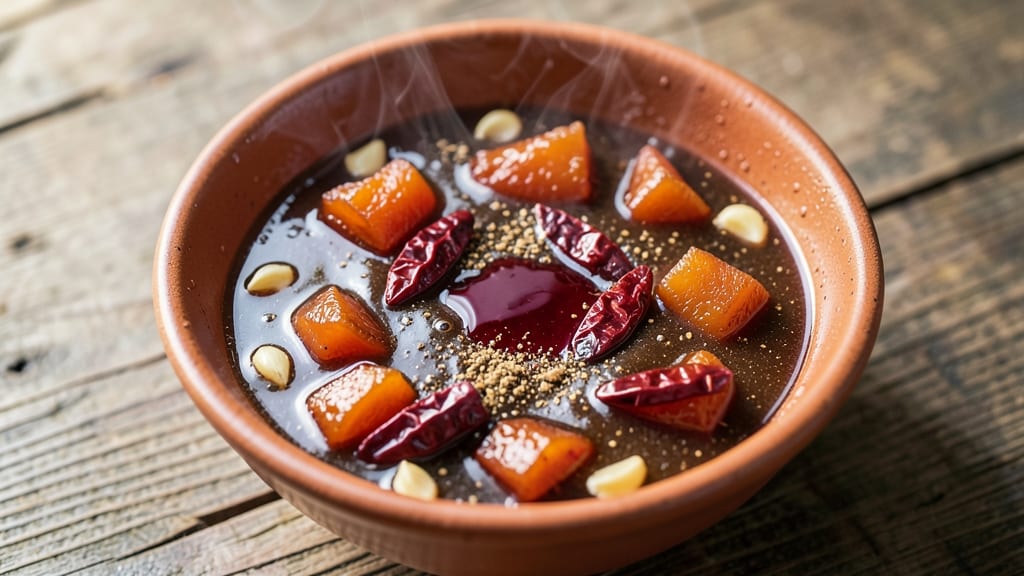
This apricot chili sauce recipe transforms grilled meats into unforgettable centerpieces with its perfect balance of sweet and fiery flavors. The key lies in simmering dried apricots with chili peppers until they create a thick, velvety sauce that clings to every bite.
I developed this recipe after years of experimenting with Middle Eastern-inspired marinades, and it never fails to elevate everything from lamb chops to roasted vegetables.
The process is straightforward: dried apricots soften into jammy sweetness while chili peppers infuse heat, and a touch of vinegar brightens the depth. Garlic, cumin, and a hint of cinnamon build layers of complexity that make this sauce far more dynamic than store-bought versions.
What you'll end up with is a glossy, aromatic condiment that's equally at home drizzled over grilled chicken or spooned into hummus.
This sauce keeps beautifully in the fridge for up to two weeks, making it perfect for meal prep. The perfect sweet-heat balance comes from adjusting the chili-to-apricot ratio—start with 1:1 and tweak to taste.
It's the kind of sauce that transforms simple weeknight dinners into restaurant-worthy experiences without requiring advanced techniques.
Use it as a marinade, glaze, or dipping sauce—its versatility makes it a pantry staple. Once you try this recipe, you'll never reach for bottled chili sauce again. Let's get cooking!
Ingredients for apricot chili sauce
Sweet, spicy, and utterly addictive—these vibrant ingredients create a sauce that transforms grilled meats into showstoppers.
| Ingredient | Amount | Notes |
|---|---|---|
| Dried Apricots 🍑 | 1 cup | Pitted, chopped into small pieces |
| Dried Chili Peppers 🌶️ | 2 whole | Ancho or guajillo preferred |
| Red Wine Vinegar 🍷 | ¼ cup | For brightness and acidity |
| Garlic Cloves 🧄 | 4 cloves | Minced for aromatic depth |
| Ground Cumin 🌿 | 1 tbsp | Toasted for richer flavor |
| Ground Cinnamon 🌳 | ½ tsp | For subtle warmth |
| Extra-Virgin Olive Oil 🫒 | ½ cup | High-quality for richness |
| Honey 🍯 | 2 tbsp | Balances sweetness |
| Salt 🧂 | ½ tsp | Diamond Crystal preferred |
| Fresh Ginger 🌿 | 1 tbsp | Grated for zesty kick |
The dried apricots are the heart of this sauce—look for plump, moist ones at specialty stores like Whole Foods or Trader Joe's for the best texture. Ancho chilis add smoky depth while guajillo brings fruity heat; both are available in the Latin foods aisle. If you can't find dried chilis, arbol peppers work in a pinch, but they pack more heat. The vinegar? Red wine vinegar is non-negotiable—it cuts through the sweetness beautifully. For the garlic, peel and mince it fresh—jarred minced garlic lacks the aromatic punch. Toast your cumin seeds in a dry pan for 30 seconds before grinding to release their nutty aroma, or grab pre-ground if you're short on time.
No dried apricots? Fresh apricots work in a jammy pinch—simmer them until they break down. Swap honey for maple syrup if you prefer, though it changes the flavor slightly. Running low on chili peppers? Cayenne powder at half the amount adds heat without the texture. The olive oil matters here—use a fruity, extra-virgin variety like California Early Harvest. For a deeper flavor, infuse the oil with garlic before adding it to the sauce. Fresh ginger is ideal, but ground ginger at one-third the amount works in a bind. The cinnamon? A pinch is all you need—it's more about warmth than sweetness.
This sauce thickens as it cools, so stir in a splash of water if it gets too stiff. Store it in a clean glass jar with a tight seal—it keeps for 2 weeks in the fridge or 6 months frozen. I like to freeze it in ice cube trays for easy single-use portions. The flavors actually improve over time, so make a double batch—you'll want to drizzle this everywhere. For a restaurant-quality finish, strain it through a fine-mesh sieve to remove any bits, but I often leave it rustic for texture.
Why You'll Love This Recipe
- No Chopping Needed: I just soak the dried apricots and chilies in hot water for 15 minutes—no knife skills required. The vinegar and garlic do all the work while you sip your coffee.
- Sweet Heat Magic: That balance of jammy apricots and smoky cumin with a kick from the chilies? It’s the kind of sauce that makes you pause mid-bite. Honestly, I’ve drizzled it on everything from eggs to roasted veggies, and it never lets me down.
- Pantry Staple Power: Between us, this uses ingredients you’re probably already stocking—no fancy shopping needed. I’ve made it twice this month, once for tacos and once to wake up a boring chicken salad.
- Keeps Like a Champ: The vinegar and cumin keep it fresh for weeks in the fridge. I’ll be real: I’ve had a jar sitting for three weeks, and it’s still bright and flavorful—perfect for when you forget to meal prep.
Step-by-step instructions for apricot chili sauce
Here's how to craft this vibrant sauce with perfect sweet-heat harmony.
Rehydrate and Prepare the Base Ingredients
In a medium saucepan, combine the 1 cup dried apricots and 2 whole dried chili peppers with the 0.25 cup red wine vinegar. Add enough water to cover by about 2 inches—this ensures the apricots soften completely while the chili peppers rehydrate their smoky depth. Bring to a gentle simmer over medium heat and cook for 15 minutes, stirring occasionally. You'll notice the apricots plumping and the chili peppers becoming pliable and deep red.
While this simmers, use a microplane to grate the 1 tablespoon fresh ginger into a fine paste—this releases its zesty oils more effectively than pre-grated ginger. Set aside the grated ginger for the next step. The vinegar will start to reduce slightly, intensifying its bright acidity which balances the sauce's sweetness later. Don't let it boil vigorously or the chili peppers may darken too much and lose their delicate flavor.
Build the Flavor Foundation
Remove the saucepan from heat and carefully remove the 2 whole dried chili peppers using tongs. Finely chop them (discard seeds if you prefer milder heat) and set aside. Strain the apricot mixture through a fine-mesh sieve, pressing gently with a spoon to extract all the juices. You should have about 1 cup of apricot purée with seeds removed—this forms the sweet base of your sauce.
Return the purée to the saucepan and add the 0.5 cup extra-virgin olive oil, 2 tablespoons honey, 1 tablespoon ground cumin, 0.5 teaspoon ground cinnamon, and 0.5 teaspoon salt. Stir constantly over low heat for 5 minutes until the spices bloom and the oil emulsifies with the purée. You'll smell the warm, earthy notes of cumin and the subtle sweetness of cinnamon—this is where the sauce's complexity begins to develop. The olive oil should glisten slightly, indicating proper emulsification.
Incorporate Aromatics and Simmer
Add the 4 minced garlic cloves and the reserved chopped dried chili peppers to the saucepan. Cook for 2 minutes over medium-low heat, stirring constantly—this prevents the garlic from burning while allowing its sweet aroma to infuse the sauce. The chili peppers will darken slightly, deepening their smoky character.
Now add the grated fresh ginger and cook for another 3 minutes. The sauce should begin to thicken slightly as the moisture evaporates. Taste and adjust the balance: if it's too sweet, add a splash more red wine vinegar; if too tart, add another teaspoon of honey. The perfect balance should have a bright acidity, warm spices, and just a hint of smoky heat from the chili peppers. The sauce should coat the back of a spoon but remain pourable—this consistency clings beautifully to grilled meats.
Finish and Strain for Smooth Texture
Transfer the sauce to a blender or food processor and purée until completely smooth. For an ultra-silky texture, strain through a fine-mesh sieve into a clean saucepan. This step removes any remaining seeds or fibrous bits, giving you a velvety sauce that will coat your dishes perfectly.
Return the strained sauce to the saucepan and simmer gently for 5-7 minutes until it reaches your desired thickness. The sauce should be glossy and coat the back of a spoon when chilled. For best results, let it cool to room temperature before serving—this allows all the flavors to meld completely. Store in an airtight container in the refrigerator for up to 2 weeks, or freeze for up to 3 months. This sauce transforms grilled meats into unforgettable centerpieces with its perfect sweet-heat balance.
Pro Tips For Making Apricot Chili Sauce
- SOAK DRY FRUIT FIRST: Dried apricots stay tough if you toss them straight in. Cover them in warm water for 15 minutes before chopping—this softens them enough to break down properly during cooking. (Yes, even if you’re impatient like me, resist the urge to skip this.)
- LOW AND SLOW SIMMER: This sauce needs time to marry flavors, not burn them. Once everything’s in the pot, keep heat at a gentle simmer—barely bubbling—and let it cook uncovered for 20-25 minutes. Rushing it leaves the chili peppers sharp and the apricots mealy.
- TOAST THE SPICES: Skip the ground cumin straight from the jar—it’s already lost its punch. Lightly toast the whole cumin seeds in a dry pan for 30 seconds until fragrant, then grind them fresh. The aroma difference is night and day, and it cuts through the vinegar’s sharpness better.
- STRAIN THE PEPPERS: Unless you’re aiming for a chunky texture, remove the dried chili peppers after 10 minutes of simmering. They’ll soften and turn bitter if left too long—just strain them out and toss them back in at the end for a quick heat boost. (Your future self will thank you.)
Common mistakes when making this dish
Skipping the Rehydration
One of the biggest mistakes is skipping the rehydration step with dried apricots and chili peppers. If you add them dry to your saucepan, they won't soften properly and will create a grainy texture instead of a smooth, jammy base.
I've seen people rush this step and end up with apricot bits that sink to the bottom and never fully integrate. Always cover them with liquid and simmer for at least 15 minutes—this ensures they break down completely. 🌶️
Overcooking the Chili Peppers
Another common error is letting the chili peppers simmer too long, which makes them bitter and darkens their color. When you remove them from the vinegar bath, they should still be flexible but not mushy.
Overcooking turns them into a murky brown sludge that ruins the sauce's vibrant color and clean flavor. Keep an eye on them and remove them promptly after 15 minutes of simmering.
Ignoring the Straining Step
Many home cooks skip straining the sauce, thinking it's unnecessary. But those tiny apricot seeds and chili pepper bits can create an unpleasant texture, especially if you're using this sauce as a glaze or dip. I always strain mine through a fine-mesh sieve for a silky-smooth finish.
If you're short on time, you can blend everything until smooth, but you'll still get some gritty bits. For restaurant-quality results, take the extra 2 minutes to strain.
Using Low-Quality Ingredients
Another mistake is using subpar ingredients that can't deliver the depth of flavor this sauce deserves. Cheap dried apricots often have a mealy texture, while low-quality olive oil lacks the richness needed for emulsification.
I recommend investing in Whole Foods dried apricots and a California Early Harvest EVOO—these make a noticeable difference. The same goes for vinegar: generic brands won't provide the bright acidity needed to balance the sweetness.
Not Balancing Sweet and Heat
The most critical balance in this sauce is between sweet and heat, and many people get this wrong. If you don't taste as you go, you might end up with something cloyingly sweet or painfully spicy.
I always adjust while simmering—adding a splash of vinegar if it's too sweet, or a pinch of honey if it's too tart. Start with the 1:1 ratio of apricots to chili peppers and adjust from there. Trust your palate more than the recipe!
Storing Improperly
Finally, many people don't store this sauce correctly, which leads to mold or freezer burn. Always transfer it to an airtight glass container with a tight seal—plastic can absorb odors. For freezing, use ice cube trays for single-use portions.
I've seen people store it in loose containers, which causes the sauce to absorb fridge smells or develop a skin. The sauce keeps for 2 weeks refrigerated or 3 months frozen, but only if stored properly. 💡
Nutrition facts
Frequently asked questions
Can I make this sauce with fresh apricots instead of dried?
Yes! Use 2 cups of fresh apricots instead of 1 cup dried. Simmer them with their skins on until they break down completely (10-15 minutes), then strain to remove skins. The texture will be slightly thinner, so reduce it longer if needed. Fresh apricots add a brighter, fruitier flavor but require more prep time.
How spicy should the chili peppers be?
The recipe balances sweet and heat using mild ancho or guajillo peppers. For extra heat, swap in 1 arbol pepper (remove seeds first) or add ½ teaspoon cayenne powder. Start with the recipe's mild peppers—you can always add more heat later, but you can't remove it!
Can I use this sauce as a marinade?
This sauce makes an excellent marinade for chicken, lamb, or pork. Brush it on meats during the last 10-15 minutes of grilling for a glossy finish. For marinating, reduce the vinegar to 2 tablespoons to prevent over-tenderizing. Let the meat sit for 30-60 minutes before cooking.
Why does my sauce separate when I refrigerate it?
This happens when the oil and liquid phases separate, usually from too much oil or rapid cooling. Fix it by whisking vigorously or gently reheating the sauce over low heat while stirring constantly. To prevent separation, let the sauce cool to room temperature before refrigerating and stir well before storing.
What are the best ways to use leftover sauce?
This versatile sauce works as a glaze for roasted vegetables, a dip for naan or fries, or a drizzle over yogurt bowls. Freeze extras in 1-tablespoon portions for quick use. It also adds depth to grain bowls or pasta dishes—just toss with cooked grains and fresh herbs for an instant flavor boost.