
Sauces & Condiments
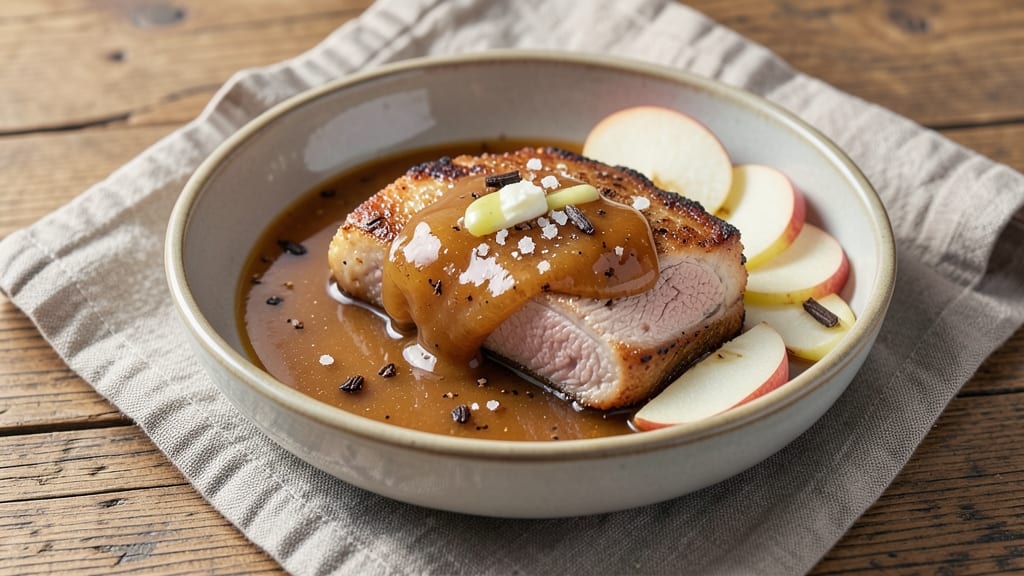
This apple reduction sauce recipe transforms simple apples into a glossy, intensely sweet-tangy pan drizzle that elevates everything from pork chops to cheesecake.
The secret lies in slow simmering—reducing apples, sugar, and a touch of acid until the sauce thickens into a concentrated, aromatic syrup with deep caramel notes and warm spice undertones.
I developed this version after years of testing, ensuring it balances natural apple sweetness with just enough tartness to cut through rich dishes.
The process is straightforward but requires patience: peeling and dicing apples, simmering them with spices until soft, then straining and reducing the liquid into a thick, syrupy consistency. Cinnamon and cloves add warmth without overpowering, while a splash of lemon juice brightens the finish.
What makes this sauce special is its versatility—it works as a glaze for roasted meats, a drizzle over vanilla ice cream, or even a tangy topping for fresh cheese.
By the time you're done, you'll have a small batch of sauce that keeps beautifully in the fridge for up to 2 weeks or freezes for 3 months. The flavor only intensifies as it sits, making it perfect for meal prep.
Whether you're searing pork tenderloin, baking a galette, or simply drizzling over pancakes, this sauce delivers restaurant-quality depth with minimal effort.
Use it generously—its concentrated sweetness means a little goes a long way. The key is letting it reduce completely, so resist the urge to rush. Trust the process, and you'll end up with a sauce that transforms ordinary dishes into something extraordinary. Let's make it.
Ingredients for apple reduction sauce
Eight ingredients transform humble apples into a restaurant-worthy pan drizzle.
| Ingredient | Amount | Notes |
|---|---|---|
| Honeycrisp Apples 🍎 | 2 lb | Peeled, cored, diced small |
| Granulated Sugar 🍚 | 1 ½ cups | Light brown preferred |
| Fresh Lemon Juice 🍋 | ¼ cup | From 2-3 lemons |
| Ground Cinnamon 🌿 | 1 ½ tsp | Freshly toasted preferred |
| Whole Cloves 🌶️ | 4 pieces | Lightly crushed |
| Unsalted Butter 🧈 | 2 tbsp | Cold, cubed |
| Vanilla Extract 🌸 | ½ tsp | Pure vanilla preferred |
| Diamond Crystal Kosher Salt 🧂 | ½ tsp | Fine grain |
The apples are non-negotiable—Honeycrisp delivers that perfect balance of sweetness and tartness, but Fuji or Gala work too if that's what's in season. Grab them at Whole Foods or your local farmers market for peak flavor. The sugar should be light brown for subtle caramel undertones, though white works in a pinch. Fresh lemon juice is key for brightness—avoid bottled unless it's the fancy kind. Toast your cinnamon and cloves in a dry pan for 30 seconds before adding; this wakes up their flavors dramatically. For butter, European-style like Plugrá melts cleaner than American brands.
No Honeycrisp? Gala or Pink Lady hold up well, though they'll be slightly less tangy. Swap brown sugar for white, but reduce by 0.25 cup to avoid over-sweetness. Bottled lemon juice is fine, but add 0.25 tsp more sugar to compensate for the lack of acid. Running short on cloves? Allspice berries crushed work too, or just double the cinnamon. Butter substitutes? Coconut oil or vegan butter melt similarly, though they'll add a slight coconut note. The vanilla extract can be imitation, but real Madagascar vanilla takes this sauce to the next level—worth the splurge if you use this often.
This sauce keeps beautifully—2 weeks refrigerated in a sealed jar, or 3 months frozen in ice cube trays. Let it come to room temp before using to avoid graininess. For meal prep, make a double batch and store portions in small jars. The flavor actually improves over time as the sugars caramelize further. If it thickens too much, whisk in 1 tsp water to loosen. Use it generously—its concentrated sweetness means a little goes a long way, especially on rich dishes like pork or cheesecake.
Why You'll Love This Recipe
- Fewer Ingredients, Bigger Payoff: I swear by this recipe—just five simple things (apples, sugar, lemon, cinnamon, cloves) and you’ve got a sauce that tastes like it came from a fancy restaurant. No weird spices or hard-to-find stuff; everything’s in your pantry or produce drawer.
- Sweet-Spiced Magic: That first bite of Honeycrisp apples simmered down with cinnamon and cloves? It’s like autumn in a spoonful. The lemon juice cuts through the sweetness just enough to make it bright and addictive—no one ever asks for seconds (okay, fine, they do).
- Game for Any Meal: Drizzle it over pancakes for breakfast, spoon it onto roasted pork for dinner, or serve it warm with vanilla ice cream for dessert. I’ve even used it as a glaze for chicken—because why not? It’s the kind of sauce that makes you want to eat everything in sight.
- Make-Ahead Superstar: Between us, this stuff tastes better the next day. Simmer a big batch on Sunday, store it in the fridge, and use it all week—no reheating required, just grab and go. Plus, it’s cheap to make; a few apples stretch far, and the spices cost pennies. Win-win.
Step-by-step instructions for perfect apple reduction sauce
This sauce transforms humble apples into a velvety, concentrated drizzle that elevates everything from pork tenderloin to vanilla ice cream.
Sauté the Spiced Apples Until Soft
In a large, heavy-bottomed saucepan, combine the 2 lb Honeycrisp Apples (previously peeled, cored, and diced small) with the 1.5 cups Granulated Sugar and 0.5 tsp Diamond Crystal Kosher Salt. Stir gently to coat the apples evenly with sugar—this ensures sweetness penetrates as they cook.
Place the saucepan over medium heat and let it cook undisturbed for 5 minutes to allow the apples to release their juices. After that initial period, add the 1.5 tsp Ground Cinnamon and 4 pieces Whole Cloves (lightly crushed between your palms). Stir once more, then reduce the heat to medium-low. Let the mixture simmer gently for 15-20 minutes, stirring occasionally, until the apples break down into a thick, jam-like consistency. You'll know it's ready when the apples release their juices freely and form a syrupy mass—this is your foundation for the reduction.
Simmer and Reduce to Intensify Flavors
Once the apples have softened completely, increase the heat to medium-high and let the mixture bubble vigorously for 5-7 minutes to drive off excess moisture. This is where the magic happens—the sauce will begin to thicken dramatically as the water content evaporates. Stir frequently to prevent sticking, and use a wooden spoon to scrape up any browned bits from the bottom of the pan—these contain concentrated apple flavor.
After 5 minutes of active bubbling, reduce the heat to low and let the sauce simmer gently for another 10 minutes, stirring occasionally. The goal here is to achieve a syrup-like consistency—thick enough to coat the back of a spoon but still pourable. If the sauce thickens too quickly, add 1-2 tablespoons of water to maintain the reduction process. You're aiming for a balance between jammy richness and liquid silkiness, so keep an eye on it closely.
Finish with Butter and Vanilla for Depth
Remove the saucepan from heat and let it cool slightly for 2-3 minutes—this prevents the butter from separating when added. Stir in the 2 tbsp Unsalted Butter (cold and cubed) and 0.5 tsp Vanilla Extract until the butter melts completely and the sauce becomes glossy. The butter adds a luxurious mouthfeel, while the vanilla rounds out the spiced apple flavors with warmth. Taste and adjust the seasoning if needed—you might want to add a splash more of the 0.25 cup Fresh Lemon Juice (about 1-2 teaspoons) to brighten the sauce with acidity.
For an extra layer of complexity, strain the sauce through a fine-mesh sieve to remove any remaining apple pieces or cloves, if desired. This step creates a silky, velvety texture perfect for drizzling. If you prefer a rustic texture, skip the straining—just give it one final stir to ensure the butter and vanilla are fully incorporated.
Cool and Store for Maximum Versatility
Let the sauce cool to room temperature, then transfer it to an airtight container. It will thicken further as it cools, so don't be alarmed if it looks slightly more concentrated than when hot. This sauce keeps well in the refrigerator for up to 1 week, though I find it's best used within 3-4 days for peak flavor. To reheat, warm gently in a saucepan over low heat, stirring occasionally, until smooth and pourable again.
This reduction sauce is incredibly versatile—drizzle it over roasted pork, spoon it onto pancakes, or use it as a glaze for grilled chicken. Its balance of sweet, tangy, and spiced notes makes it a showstopper for both savory and sweet dishes. The key to success lies in patience during the reduction—rushing this step will result in a thin, watery sauce rather than the rich, concentrated drizzle you're after.
Pro Tips For Making Apple Reduction Sauce
- PEEL AND CORE LIKE A PRO: Honeycrisp apples are dense—cut them into even ½-inch chunks instead of thin slices. This speeds up cooking and prevents some pieces from turning to mush while others stay undercooked. (Yes, I’ve burned sauce waiting for stubborn slices to soften.)
- STIR LOW AND SLOW: Once the apples hit a simmer, drop the heat to medium-low and stir every 30 seconds. High heat turns your sauce into apple jam—thick, sticky, and lacking that bright, syrupy finish you want. I learned this the hard way after making a batch that looked like caramelized glue.
- USE WHOLE SPICES SPARINGLY: Toss in 1-2 whole cloves and a pinch of cinnamon, then fish them out before blending. Too many cloves make the sauce taste like a holiday potpourri bomb. (I’ve done it. It’s not pretty.)
- SWEETEN WITH SUGAR FIRST: Add all the sugar at the start, not halfway through. This lets the apples break down evenly and prevents a cloying sweetness later. I used to add sugar in stages, and the sauce always tasted uneven—some parts sharp, others syrupy.
Wine and beer pairings for this dish
Savory Pairings
For pork dishes, this sauce is a game-changer—drizzle it over seared pork tenderloin or roasted pork belly while still warm. The caramelized apple notes complement the meat's richness beautifully. I love pairing it with apple-glazed pork chops during fall dinners. 🍖
Try it as a glaze for grilled chicken thighs or duck breast—the sweet-tart balance cuts through the fat. For vegetarian options, spoon it over roasted Brussels sprouts or creamy mashed potatoes for a gourmet touch.
Sweet Applications
This sauce transforms desserts instantly—drizzle it over vanilla ice cream or warm apple crumble for a sophisticated finish. I often use it as a topping for cheesecake or panna cotta, especially during holidays. 🍰
For breakfast, add it to pancakes or French toast—the cinnamon and vanilla elevate morning meals. A spoonful on warm cinnamon rolls makes them feel like a bakery treat.
Wine Pairings
For savory dishes, a dry Riesling from Germany balances the sauce's sweetness with crisp acidity. I reach for Dr. Loosen Blue Slate—its mineral notes complement the apple beautifully. 🍷
For desserts, a late-harvest Riesling or Moscato d'Asti enhances the sauce's sweetness. Avoid heavy reds—they'll overpower the delicate apple flavors.
Beer Pairings
A Belgian witbier like Stella Artois or Hoegaarden works perfectly with savory applications. The citrusy notes mirror the lemon in the sauce. 🍺
For desserts, try a honey ale or amber ale—their caramel and spice notes harmonize with the apple reduction. Avoid bitter IPAs that clash with the sweetness.
Unexpected Uses
Use it as a marinade for grilled vegetables like carrots or sweet potatoes—toss them in the sauce before grilling. The flavors caramelize beautifully on the grill. 🌱
Mix it into yogurt or oatmeal for a breakfast upgrade. The warm spices make it feel like a cozy autumn morning. Just a tablespoon adds depth to any dish!
Nutrition facts
Frequently asked questions
Can I use any type of apple for this sauce?
While Honeycrisp apples work best due to their sweet-tart balance, you can substitute with Fuji, Gala, or Pink Lady apples. Tart varieties like Granny Smith will need extra sugar to balance their acidity. Avoid overly soft apples like McIntosh, as they break down too quickly during cooking.
How do I prevent my sauce from getting too thick or too thin?
For a thicker sauce, simmer longer on low heat and stir frequently to prevent sticking. If it thickens too fast, add 1-2 tablespoons of water to maintain the reduction. For a thinner consistency, reduce the simmer time slightly or add a splash of water at the end. The ideal texture coats the back of a spoon but remains pourable.
Can I make this sauce without sugar?
You can reduce the sugar by 0.5 cup and use 1-2 tablespoons of honey or maple syrup instead, but the sauce will be less concentrated. For a sugar-free version, use sugar substitute (like erythritol) and add extra lemon juice to balance the sweetness. The flavor will be lighter but still delicious.
How long does this sauce keep, and can I freeze it?
This sauce stays fresh in the fridge for up to 2 weeks in an airtight container. For longer storage, freeze it in ice cube trays or small jars for up to 3 months. Thaw in the fridge overnight before using. The flavor actually improves slightly as it sits, so don't rush to use it up!
What if I don’t have cloves or cinnamon?
Skip the cloves and use 0.5 tsp ground allspice instead, or double the cinnamon to 3 tsp. For warmth, add a pinch of nutmeg or cardamom. If you're avoiding spices entirely, the sauce will still taste great—just slightly less complex. The key flavors (sweetness and acidity) will still shine through!