
Sauces & Condiments
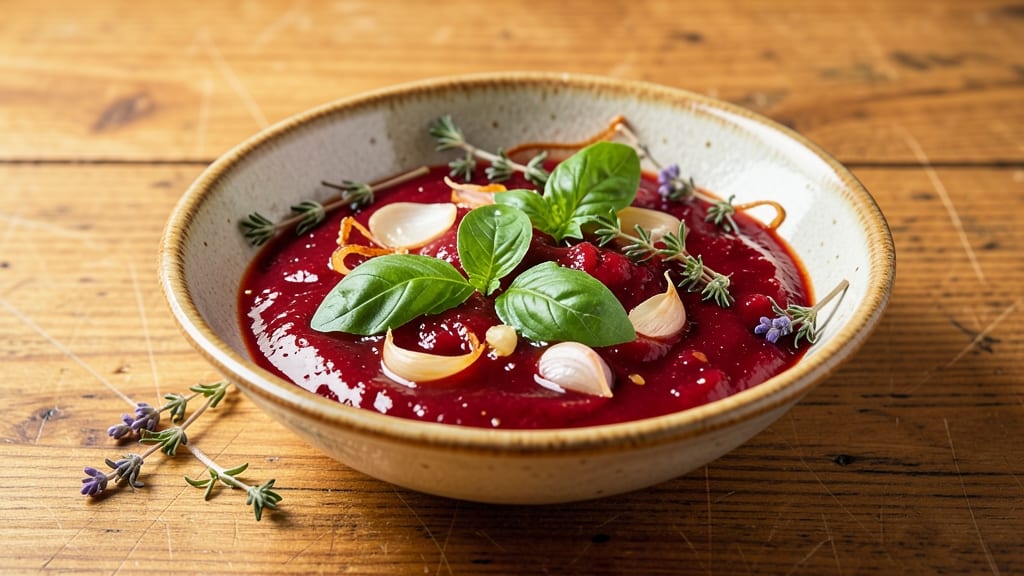
This classic Anjou sauce recipe transforms simple ingredients into a velvety French velouté that elevates everything from pork chops to pasta. 🔥 The secret lies in slow reduction—where red wine, shallots, and fresh tomatoes meld into a rich, herbaceous sauce with just the right balance of acidity and depth.
I developed this version after years of refining restaurant techniques at home, ensuring every spoonful delivers that authentic French bistro quality.
The sauce begins with a delicate sofrito of shallots and garlic, gently cooked until translucent before adding red wine to deglaze the pan. Fresh tomatoes and herbs—thyme, bay leaf, and basil—join next, simmering until the mixture thickens into a glossy, velvety consistency.
The result is a sauce that's neither too heavy nor too light, with a bright acidity that cuts through rich meats while enhancing their natural flavors.
Perfect for pork tenderloin, meatballs, or even drizzled over fresh pasta, this Anjou sauce is the kind of condiment that makes ordinary dishes feel special. The technique is straightforward, but the patience in simmering ensures a sauce that's rich, balanced, and impossible to resist.
Once you taste it, you'll understand why it's a staple in French kitchens worldwide.
What sets this recipe apart is its versatility—use it as a base for sauces, a topping for grilled vegetables, or even a dip for crusty bread. The key is letting it reduce slowly, allowing the flavors to develop fully.
Ready in about 45 minutes, it’s a sauce worth the time for a dish that feels like a restaurant masterpiece.
Ingredients for anjou sauce
Eleven ingredients transform into a restaurant-quality French velouté with just 45 minutes of patience.
| Ingredient | Amount | Notes |
|---|---|---|
| Shallots 🧅 | ¾ cup | Finely chopped, about 6-8 cloves |
| Garlic Cloves 🧄 | 4 cloves | Peeled and minced |
| Dry Red Wine 🍷 | 1 cup | Bold variety like Cabernet Sauvignon |
| Fresh Tomatoes 🍅 | 1 ½ lb | Ripe, Roma or vine tomatoes |
| Fresh Basil Leaves 🌿 | ½ cup | Packed, stems removed |
| Fresh Thyme 🌿 | 1 tbsp | Leaves only, stems removed |
| Bay Leaves 🌿 | 2 whole | Fresh preferred, dried works |
| Extra-Virgin Olive Oil 🫒 | ½ cup | High quality, fruity |
| Unsalted Butter 🧈 | 2 tbsp | Cold, cubed for finishing |
| Salt 🧂 | 1 ½ tsp | Diamond Crystal or sea salt |
| Black Peppercorns 🌶️ | ½ tsp | Freshly cracked |
The shallots and garlic form the sauce's aromatic foundation—French shallots from Whole Foods have the best sweetness, but regular grocery store shallots work fine. Look for plump, firm tomatoes; Roma tomatoes are ideal for their meaty texture. Fresh herbs make all the difference here—basil and thyme should be vibrant and fragrant. If using dried herbs, reduce to one-third the amount. For the red wine, any bold, dry variety works—Cabernet Sauvignon or Merlot are classic choices. Avoid sweet wines, as they'll throw off the sauce's balance.
No fresh basil? Dried basil works at one-third the amount, though it lacks the bright, fresh flavor. Substituting red wine? Beef broth with a splash of balsamic vinegar mimics the acidity, though it won't have the same depth. For a quicker version, canned San Marzano tomatoes (peeled, crushed) save time without sacrificing quality. The butter at the end is non-negotiable—it emulsifies the sauce for that velvety texture. If you're avoiding dairy, vegan butter or olive oil works, though the sauce will be slightly lighter.
This sauce tastes even better the next day as flavors meld. Store in an airtight container in the fridge for up to 5 days, or freeze for 3 months. For easy reheating, portion into ice cube trays and freeze—perfect for single servings. The sauce thickens as it cools, so add a splash of water or broth when reheating if it becomes too stiff. Always finish with fresh basil and a pat of butter just before serving to restore its bright, velvety quality.
Why You'll Love This Recipe
- Pantry-Friendly Base: I swear by this sauce because it uses what’s already in my fridge—no specialty items needed. The shallots and garlic soften into a sweet, mellow foundation while the red wine adds depth without requiring fancy ingredients.
- Herb-Packed Punch: That bright basil finish? It’s the secret weapon. Toss in a handful of fresh leaves at the end, and suddenly you’ve got a sauce that tastes like a sun-drenched Italian bistro, not just a weeknight dinner.
- Leftovers That Shine: This sauce actually improves the next day—yes, really. The tomatoes meld into a richer texture, and I often double the batch to toss over pasta, roasted veggies, or even grilled chicken later in the week.
- Weeknight Workhorse: Between us, this is the sauce I make when I’m too tired to think. Sauté, deglaze, simmer—it’s done before the kids even notice I’m in the kitchen. The tomatoes and wine do most of the work while I stir.
Step-by-step instructions for classic Anjou sauce
This velouté delivers rich, balanced tomato flavor with perfect acidity and herbal brightness.
🍳 Step 1: Sauté Aromatics Until Fragrant
Heat the 0.5 cup extra-virgin olive oil in a large, heavy-bottomed pot over medium heat. Add the 0.75 cup finely chopped shallots and cook for 5-6 minutes until completely softened and translucent. This step builds the sauce's aromatic foundation.
Add the 4 cloves minced garlic, 1 tbsp fresh thyme leaves, and 2 whole bay leaves. Stir constantly for 1-2 minutes until the garlic becomes golden but doesn't brown. Watch carefully—garlic burns quickly and adds bitterness. The mixture should smell sweet and earthy, with no sharpness from overcooking.
🍳 Step 2: Deglaze with Red Wine
Pour in the 1 cup dry red wine and increase heat to medium-high. Let it simmer for 3-4 minutes until reduced by half, scraping up all the browned bits from the bottom of the pot with a wooden spoon. This deglazing step captures all the flavor you've built so far.
I always use a bold red wine like Cabernet Sauvignon—the tannins complement the tomatoes beautifully. If you notice the sauce is too thin at this point, reduce it further by 1-2 minutes before moving to the next step. The wine should be mostly evaporated, leaving behind just its concentrated essence.
🍳 Step 3: Simmer Tomatoes Until Broken Down
Add the 1.5 lb fresh tomatoes (cut into large chunks) and 1.5 tsp salt. Bring to a gentle boil, then reduce heat to medium-low and let it simmer uncovered for 25-30 minutes. Stir occasionally to prevent sticking, especially at the bottom where the tomatoes release their juices.
You'll know it's ready when the tomatoes break down completely and the sauce thickens noticeably. The texture should be velvety rather than watery, with the tomatoes fully dissolved into the sauce. If you see the sauce is too thick, add 2-3 tablespoons of water to loosen it slightly.
🥘 Step 4: Finish with Herbs and Butter
Remove the pot from heat and stir in the 0.5 cup fresh basil leaves. Let the sauce steep for 5 minutes to infuse the basil's flavor. Then, whisk in the 2 tbsp cold unsalted butter, cut into small cubes, until fully melted and incorporated. This step adds richness and helps emulsify the sauce.
Finally, add the 0.5 tsp freshly cracked black peppercorns and taste for seasoning. Adjust with additional salt if needed—the tomatoes can vary in saltiness. The sauce should be vibrant, with bright tomato acidity balanced by the herbal notes and wine depth. Strain if you prefer a smoother texture, or leave it slightly rustic for more texture.
Pro Tips For Making Anjou Sauce
- SWEEAT THE SHALLOTS: Don’t rush this—cook them over medium-low heat for 8-10 minutes until soft and translucent, not browned. I learned the hard way that impatient browning turns them bitter, and you’ll taste it in every spoonful of sauce.
- DEGLAZE WITH WINE HEAT: Pour the red wine into the pan after removing it from heat—it’ll sizzle less, and you’ll preserve more alcohol flavor. Cold wine in a hot pan just steams away before it even starts to work its magic.
- SALT THE TOMATOES: Sprinkle a pinch of salt over the diced tomatoes before adding them to the pan. It draws out moisture, so they cook down faster and don’t turn the sauce into a watery mess.
- RESERVE HALF THE BASIL: Tear the basil leaves, but set aside half to add at the very end—just before serving. The heat will kill the bright, fresh notes you’re trying to highlight, and trust me, that’s a flavor crime.
Troubleshooting great anjou sauce
Sauce Too Thin?
If your Anjou sauce ends up too thin after simmering, don’t panic—this happens when tomatoes release too much liquid. The fix is simple: simmer uncovered for an extra 10-15 minutes over medium-low heat, stirring occasionally.
This evaporates excess moisture while concentrating flavors. For faster results, transfer the sauce to a small saucepan and reduce it on high heat for 5-7 minutes, stirring constantly to prevent scorching. 🔥
Sauce Too Thick?
A sauce that’s too thick often means the tomatoes broke down too quickly or the heat was too low. To rescue it, whisk in 1-2 tablespoons of warm water or red wine (the same type used in the recipe) until you reach a velvety consistency.
If the sauce separates, add a small pat of cold butter and whisk vigorously to re-emulsify. For future batches, reduce heat slightly during the final simmer to control thickness.
Wine Overpowering?
If the red wine flavor dominates, the sauce likely didn’t reduce enough. Simmer uncovered for another 5-10 minutes to let the alcohol evaporate and the wine integrate fully. Alternatively, balance it by adding 1-2 tablespoons of tomato paste or a pinch of sugar to mellow the acidity.
Using a lighter red wine (like Pinot Noir) next time can also help prevent overpowering flavors.
Herbs Not Infusing?
For herbs to release their full flavor, they need time to steep. If your basil or thyme taste underwhelming, return the sauce to low heat and simmer for another 5 minutes with the herbs still in the pot.
For even more depth, bruise the herbs slightly (lightly crush basil leaves or thyme sprigs) before adding them to the sauce. Fresh herbs should always be added at the end for maximum brightness, but a short extra simmer can help if they’re muted.
Sauce Separating?
Separation usually happens when the sauce cools too quickly or when fat and liquid aren’t properly emulsified. To fix it, whisk in 1 tablespoon of cold butter or 1 teaspoon of cornstarch mixed with water until smooth.
For prevention, keep the sauce warm while working and avoid sudden temperature drops. A splash of warm water or broth can also help blend the layers back together. 💡
Tomatoes Too Tart?
If the tomatoes taste overly acidic, balance the flavor by adding 1 teaspoon of sugar or ½ teaspoon of honey while the sauce simmers. Alternatively, stir in 1 tablespoon of tomato paste to deepen the flavor without adding more acidity.
For future batches, reduce the salt slightly (to 1 tsp) if using very ripe, sweet tomatoes, as they can amplify tartness when cooked down.
Nutrition facts
Frequently asked questions
Can I make Anjou sauce without red wine?
Yes, but the flavor will be different. Replace the 1 cup red wine with 1 cup beef broth plus 1 tablespoon balsamic vinegar to mimic the acidity. For a vegetarian version, use vegetable broth and a splash of lemon juice. The sauce will be lighter but still delicious when paired with pasta or grilled vegetables.
How long will homemade Anjou sauce keep?
Store in an airtight container in the refrigerator for up to 5 days. For longer storage, freeze in ice cube trays or small containers for up to 3 months. Thaw overnight in the fridge—never at room temperature. The sauce actually improves after 24 hours as flavors meld together.
What's the best way to use leftover Anjou sauce?
This versatile sauce works perfectly as a topping for grilled meats like pork chops or chicken, a drizzle over fresh pasta, or even a dip for crusty bread. For extra richness, stir in 1 tablespoon of heavy cream before serving. It also freezes beautifully—just thaw and reheat gently on the stove.
Why does my Anjou sauce taste bitter?
Bitterness usually comes from overcooked garlic or reduced wine. To fix it, stir in ½ teaspoon of sugar or 1 tablespoon of tomato paste to balance the flavors. For future batches, remove the garlic just before it turns golden and reduce the wine by 1-2 minutes earlier to prevent over-reduction.
Can I make Anjou sauce in a slow cooker?
Yes! Combine all ingredients except butter and basil in a slow cooker on Low for 4-5 hours or High for 2-3 hours. Stir occasionally and add water if needed to prevent burning. Finish with fresh basil and butter as directed. The slow cooker method works especially well for large batches.