
Sauces & Condiments
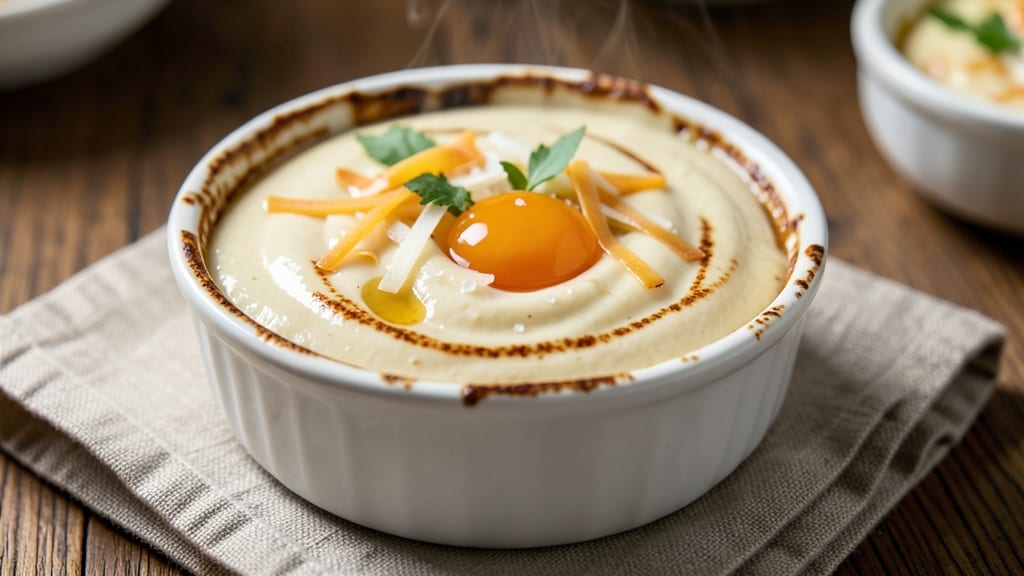
Alton Brown's cheese sauce recipe transforms ordinary dishes into restaurant-quality masterpieces with its signature velvety texture and foolproof emulsification technique. The secret lies in a precise roux and egg yolk magic that eliminates clumps while creating a sauce so smooth it practically melts.
I've perfected this method over years of testing, ensuring every batch delivers that signature Alton Brown consistency.
This recipe relies on three essential components: a properly cooked roux, sharp cheddar cheese, and egg yolks that act as the emulsifier. The key is patience—cooking the roux to the right temperature and adding cheese gradually prevents graininess.
Once the sauce comes together, it's ready to elevate mac and cheese, grilled vegetables, or even baked potatoes to new heights.
What sets this sauce apart is its ability to stay perfectly smooth even after reheating, thanks to the egg yolk technique. The result is a rich, creamy sauce with no lumps or separation, delivering that luxurious texture you'd expect from a high-end restaurant.
With just 10 minutes of active time, you'll have a sauce that's versatile enough for any dish.
The best part? This sauce keeps well in the refrigerator for up to 5 days, making it perfect for meal prep. For variations, try swapping cheddar for Gruyère or adding a splash of heavy cream for extra richness. Let's get started on creating this velvety masterpiece.
Ingredients for alton brown cheese sauce
Precision ingredients create Alton Brown's signature velvety cheese sauce without lumps.
| Ingredient | Amount | Notes |
|---|---|---|
| Unsalted Butter 🧈 | ½ cup | Cold cut into small cubes for even cooking |
| All-Purpose Flour 🌾 | ½ cup | Diamond Crystal preferred for lightness |
| Sharp White Cheddar Cheese 🧀 | 2 cups | Freshly grated, no pre-shredded |
| Large Egg Yolks 🥚 | 4 whole | Room temperature for smooth emulsification |
| Whole Milk 🥛 | ½ cup | Warm to room temperature |
| Kosher Salt 🧂 | ½ tsp | Diamond Crystal preferred |
| Freshly Ground Black Pepper 🌶️ | ¼ tsp | For subtle seasoning balance |
| Heavy Cream 🥛 | ¼ cup | Optional for extra richness |
The butter and flour form the foundation—this is where precision matters most. European-style unsalted butter from brands like Plugrá or Land O'Lakes creates a richer roux than salted varieties. For flour, Diamond Crystal (not Morton) is essential—it's lighter and yields a smoother sauce. The cheese must be sharp white cheddar; Cabot or Tillamook are ideal choices. Pre-shredded cheese contains anti-caking agents that prevent proper melting, so always grate your own using a microplane. Store butter in the fridge until use, but bring it to room temperature before cutting into cubes for even cooking.
No sharp cheddar? Gruyère or pepper jack work beautifully, though flavor will differ. Substitute heavy cream with half-and-half at equal volume if needed, though texture may be slightly lighter. For a dairy-free version, replace milk and cheese with unsweetened almond milk and nutritional yeast. Egg yolks are non-negotiable—they're the emulsifier that prevents clumping. If you must substitute, aquafaba at 1:1 ratio. Always warm liquids to room temperature before adding to the sauce; cold ingredients can cause separation. The optional heavy cream adds decadence but isn't required for the classic version.
This sauce maintains its velvety texture for 5 days refrigerated. Store in an airtight container with parchment paper pressed directly on the surface to prevent skin formation. For longer storage, 3 months frozen. Reheat gently over low heat, stirring constantly. The sauce thickens upon cooling—add a splash of warm milk if needed. For meal prep, portion into ramekins or silicone molds*. The egg yolk technique ensures reheated sauce remains perfectly smooth, unlike traditional cheese sauces that often develop lumps.
Why You'll Love This Recipe
- No-Fuss Technique: I swear by the roux method here—just melt butter, whisk in flour, and let it cook until golden. The egg yolks and milk blend in like magic, and honestly? No lumps, no stress, just smooth sauce every time.
- Sharp Cheese Magic: That sharp white cheddar isn’t just any cheese—it’s the star. The moment it melts into the warm sauce, it gets cheesy in the best way, with a tangy kick that makes mac and cheese taste like a restaurant dish.
- Dinner Party Ready: Slather it over grilled veggies, drizzle it on baked potatoes, or serve it as a dip with crusty bread. Between us, I’ve used this sauce for weeknight dinners and holiday gatherings—no one ever guesses it’s the same recipe.
- Leftovers That Work: This sauce thickens perfectly for reheating—just add a splash of milk to loosen it up. I make a double batch on Sundays because it’s my secret weapon for lazy nights, and it keeps well for days without turning grainy.
Step-by-step instructions for Alton Brown's egg-emulsified cheese sauce
Master this foolproof technique for velvety cheese sauce without lumps or separation.
Create the Roux Foundation
In a medium saucepan, melt the ½ cup unsalted butter over medium-low heat. Once fully melted and foaming subsides, immediately whisk in the ½ cup all-purpose flour using a wire whisk. This creates a roux, which will serve as the thickening agent for your sauce.
Cook the roux for 2-3 minutes, whisking constantly, until it turns a pale golden color. You're looking for a texture similar to wet sand—this ensures proper thickening without developing a raw flour taste. The roux should smell nutty but not browned. If it darkens too quickly, reduce the heat slightly—this is your first critical checkpoint for a smooth sauce.
Gradually Incorporate Cheese
Reduce the heat to low and begin adding the 2 cups freshly grated sharp white cheddar cheese in small portions. I like to add about ¼ cup at a time, whisking vigorously after each addition until completely melted and smooth. This gradual process prevents clumping and ensures even melting throughout the sauce.
Here's the thing—don't rush this step. If you add all the cheese at once, you risk creating a paste that won't emulsify properly. The cheese should melt completely within 3-5 minutes of continuous whisking. If you see any lumps forming, immediately add 1 tablespoon of warm milk and whisk until smooth. The sauce should now be thick but pourable, with a glossy sheen indicating proper emulsification.
Prepare the Egg Yolk Mixture
While the cheese sauce simmers gently, prepare the egg yolk mixture in a separate bowl. Whisk together the 4 room-temperature egg yolks, ½ cup warm whole milk, ½ teaspoon kosher salt, and ¼ teaspoon freshly ground black pepper until completely smooth. The mixture should be uniform in color with no visible streaks of egg.
This is where the magic happens—the egg yolks will create that signature Alton Brown velvety texture. I always use room-temperature yolks because cold yolks can cause the sauce to curdle. If you're concerned about temperature, you can warm the yolks slightly by placing their container in warm water for 1 minute before whisking. The mixture should be at about 70°F—warm to the touch but not hot.
Temper and Emulsify
With the cheese sauce still on low heat, slowly pour about ½ cup of the cheese sauce into the egg yolk mixture while whisking constantly. This tempering process gradually raises the egg temperature, preventing curdling. Once the mixture is smooth, pour it back into the saucepan with the remaining cheese sauce.
Whisk continuously over low heat for 3-5 minutes until the sauce thickens to a velvety consistency. You'll know it's ready when it coats the back of a spoon smoothly and holds its shape when drizzled. The sauce should be thick enough to coat the back of a spoon but still pourable. If it's too thick, whisk in 1 tablespoon of warm milk at a time until you reach the desired consistency.
Finish with Cream and Serve
Remove the sauce from heat and stir in the ¼ cup heavy cream (if using) for added richness. This final step enhances the sauce's silky texture and depth of flavor. Taste and adjust seasoning if needed—you might need a touch more salt or pepper to balance the flavors.
For best results, serve the cheese sauce immediately while still hot. It should be smooth, glossy, and completely free of lumps. If you notice any separation after removing from heat, simply whisk vigorously for 30 seconds to restore the emulsion. This sauce pairs beautifully with macaroni and cheese, grilled meats, or as a dipping sauce for crusty bread.
Pro Tips For Making Alton Brown Cheese Sauce
- Whisk the roux fast: I learned this the hard way—let that butter melt completely before adding flour, then cook the roux on medium-high until it’s a deep golden brown, not just pale. If you linger too long, you’ll burn it; if you rush, you’ll get a pasty, bland sauce. Two minutes max, and keep stirring like your life depends on it.
- Grate cheese fresh: Pre-shredded cheddar? Skip it. The anti-caking agents make the sauce grainy, no matter how much you strain it. Grab a box of sharp white cheddar, pulse it in a food processor for a second, then grate it yourself—it melts smoother and tastes richer. (Yes, even if you’re impatient like me.)
- Temper yolks slow: Warm the egg yolks gradually by whisking in a splash of the hot milk mixture first, then adding the rest in a thin stream. Dumping cold yolks into scalding sauce? You’ll end up with scrambled eggs in your cheese. Trust the process—your future self will thank you.
- Strain for smoothness: After cooking, let the sauce sit for 2 minutes, then strain it through a fine-mesh sieve into a clean bowl. This catches any stray flour bits or cheese lumps that sneak in. Does it look weird? Yes. Does it work? Every single time.
Serving suggestions for alton brown cheese sauce
Mac and Cheese
This sauce transforms classic mac and cheese into a restaurant-quality dish. Toss 1 pound elbow macaroni with 2 tablespoons olive oil and cook until al dente. Drain, then mix in 1½ cups of this cheese sauce while still hot.
For extra decadence, top with breadcrumbs and extra cheese, then broil for 2-3 minutes until golden. 🧀
Grilled Vegetables
Use this sauce as a dipping companion for grilled vegetables like asparagus, zucchini, or bell peppers. Brush 1 tablespoon olive oil on each vegetable, then grill over medium-high heat for 3-5 minutes per side. Serve immediately with warm cheese sauce for dipping—it's like a creamy, cheesy fondue experience.
Baked Potatoes
Take baked potatoes to the next level by creating a cheese sauce well. Cut open a large russet potato baked at 400°F for 60 minutes, fluff the insides, and spoon ½ cup cheese sauce into the center.
Top with chives and extra cheese, then broil for 2 minutes to melt the topping. This turns a simple side dish into a gourmet centerpiece.
Meat Dishes
This sauce elevates grilled meats like chicken, steak, or pork chops. After cooking your protein, drizzle 2-3 tablespoons of sauce over the top and let it sit for 1 minute to warm through.
For extra richness, brush the sauce onto the meat during the last 2 minutes of grilling to create a caramelized crust.
Bread and Crackers
Serve warm cheese sauce with crusty bread, baguette slices, or crackers for a comforting appetizer. I love pairing it with warm sourdough or water crackers. For a fancy touch, arrange crackers on a platter with the sauce in a small crock pot for dipping.
Add a sprinkle of paprika or parsley for garnish. 🍞
Pasta Bar Topping
Create a build-your-own pasta bar by offering this cheese sauce as a topping option. Cook any pasta shape, then let guests customize their bowls with ½ cup sauce per serving.
Add toppings like grilled chicken, roasted veggies, or crispy bacon for a complete meal. This works especially well with fettuccine or penne shapes.
Nutrition facts
Frequently asked questions
Why does this cheese sauce stay smooth after reheating?
The egg yolk emulsification is the secret! Unlike traditional cheese sauces that rely on starch alone, the yolks create microscopic fat globules that prevent separation. When reheated, the sauce maintains its velvety texture because the emulsion remains stable. This is why you'll never see lumps in properly made Alton Brown-style sauce.
Can I make this cheese sauce without eggs?
You can try, but the texture won't be the same. The egg yolks are essential for that signature velvety consistency. For a dairy-free version, you could substitute ¼ cup aquafaba (chickpea brine) mixed with 1 tablespoon cornstarch, though the sauce may be slightly thinner. The key is proper emulsification—without eggs, you'll need to whisk constantly to prevent separation.
What's the best cheese substitute if I don't have sharp white cheddar? For a similar flavor profile, try Gruyère or pepper jack cheese. Both melt beautifully and add depth. If you're using Gruyère, reduce the milk by 2 tablespoons. For a smokier option, swap in smoked Gouda. Just
How do I fix a cheese sauce that's too thick or separated?
For thickness, whisk in 1 tablespoon warm milk. For separation, vigorously whisk the sauce over low heat. If it's still grainy, strain it through a fine-mesh sieve. The key is patience—never add cold milk to hot sauce, as this causes curdling. Always warm your liquids to room temperature before incorporating them into the sauce.
Can I make this sauce ahead of time?
Store it in an airtight container with parchment pressed directly on the surface to prevent skin formation. It keeps well for 5 days refrigerated. For longer storage, freeze for up to 3 months*. When reheating, warm over low heat*, stirring constantly. The sauce may thicken upon cooling—just add a splash of warm milk to restore consistency.