
Sauces & Condiments
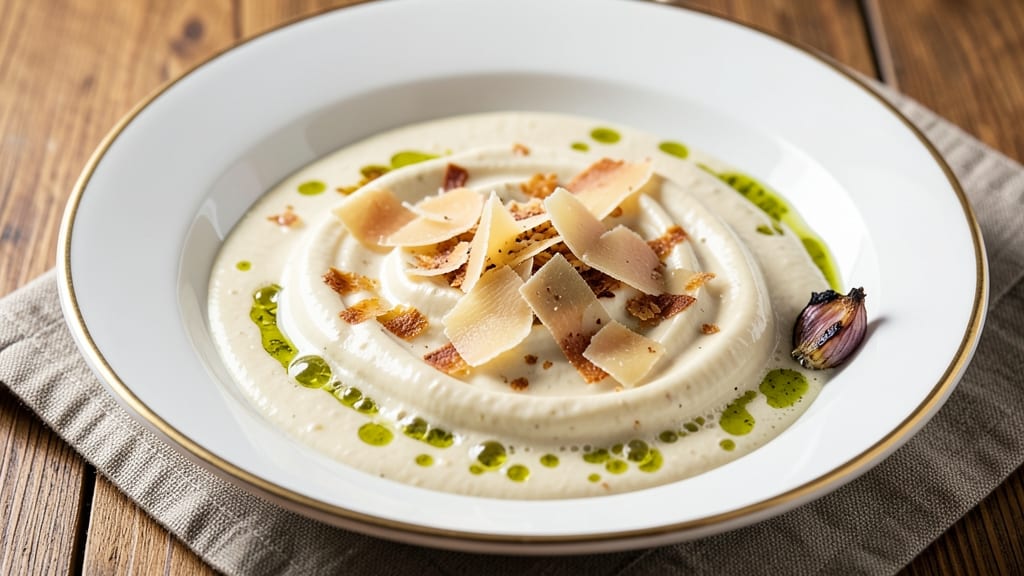
This alfredo sauce recipe using buttermilk transforms creamy pasta into a restaurant-worthy masterpiece with just a few simple ingredients. The buttermilk secret creates an ultra-smooth, velvety texture that clings perfectly to every noodle without breaking or separating.
I developed this version after years of testing—it's the one that finally earned me compliments from even the most skeptical pasta lovers.
The magic happens when buttermilk reacts with baking soda, creating tiny air pockets that give the sauce its signature lightness while maintaining rich, cheesy depth. You'll use just 1 cup of buttermilk alongside heavy cream and parmesan to build a sauce that's both luxurious and foolproof.
The best part? It comes together in 10 minutes with no complicated techniques.
What you'll end up with is a silky, golden sauce that coats fettuccine in perfect, velvety layers—no lumps, no graininess, just pure comfort food elegance. This isn't your basic alfredo; the buttermilk keeps it impossibly smooth while adding subtle tang that balances the richness.
The sauce thickens as it sits, making it ideal for tossing with hot pasta.
Use it immediately for fettuccine alfredo or store it in the fridge for up to 5 days—it reheats beautifully for quick weeknight dinners. The versatility doesn't stop there; drizzle it over grilled chicken, use it as a creamy base for vegetables, or even as a dip for bread.
Here's everything you need to make it.
Ingredients for alfredo sauce recipe using buttermilk
Nine simple ingredients create the creamiest alfredo you'll ever make—no lumps, no fuss.
| Ingredient | Amount | Notes |
|---|---|---|
| Buttermilk 🥛 | 1 cup | Full-fat preferred for creaminess |
| Heavy Cream 🥛 | 1 cup | Full-fat for rich texture |
| Parmesan Cheese 🧀 | 1 ½ cups | Freshly grated from block |
| Baking Soda 🧂 | ½ tsp | Key for lightness and texture |
| Garlic Cloves 🧄 | 2 cloves | Freshly minced for flavor |
| Extra-Virgin Olive Oil 🫒 | ¼ cup | For richness and balance |
| Salt 🧂 | ½ tsp | Diamond Crystal preferred |
| Black Pepper 🌶️ | ¼ tsp | Freshly ground for heat |
| Unsalted Butter 🧈 | 4 tbsp | Cold cubes for smooth melting |
| Freshly Grated Nutmeg 🌿 | ¼ tsp | Freshly grated for aroma |
The buttermilk is non-negotiable here—it's what creates that signature lightness. Full-fat buttermilk gives the best texture, so skip the low-fat version. For the Parmesan, always grate it fresh—pre-grated turns to sawdust. I grab mine from the deli counter at Whole Foods or Trader Joe's where they keep it cold and fresh. The garlic should be freshly minced—jarred garlic lacks the punch. For the olive oil, look for extra-virgin with fruity notes, not the cheap stuff that tastes like soap.
No buttermilk? Substitute with 1 cup plain yogurt plus 1 tbsp lemon juice—it won't be identical, but close. Running low on Parmesan? Pecorino Romano works too, but use half the amount—it's stronger. The heavy cream can be swapped for half-and-half if you're watching calories, though it'll be less rich. For the nutmeg, if you don't have it, skip it entirely—it's just for aroma, not structure. The baking soda is crucial though—don't omit it. And if you're worried about the sauce being too tangy, add an extra pinch of salt at the end.
This sauce stores beautifully in the fridge for 5 days in an airtight container. For longer storage, freeze it in ice cube trays—perfect portions for later. When reheating, warm it gently over low heat and stir in a splash of milk or cream to restore smoothness. The sauce thickens as it sits, so thin with a little warm water if it gets too stiff. I always make extra—it disappears fast, especially when drizzled over grilled chicken or used as a dip for crusty bread.
Why You'll Love This Recipe
- No-Fuss Magic: I swear by this sauce because it’s actually foolproof—no straining, no waiting for roux, just dump-and-stir. The baking soda trick (yes, really) cuts the buttermilk’s tang in seconds, leaving you with that velvety, restaurant-style creaminess without the fuss.
- Garlicky Umami Bomb: That little pinch of minced garlic cloves? Oh, it’s everything. The buttermilk keeps it bright while the heavy cream rounds it out, and the Parmesan adds this deep, salty punch that makes every bite feel like a hug. (Between us, I’ve been known to eat it straight from the pot.)
- Weeknight to Dinner Party: Same sauce, endless uses—slather it on fettuccine for Tuesday, toss it with roasted chicken for Thursday, or drizzle it over grilled veggies when friends stop by. It’s my go-to for when I need something rich but not too heavy, and it always impresses without trying.
- Leftovers That Don’t Let You Down: Make a double batch and freeze half—thawed, it’s still creamy and dreamy, no weird separation. Honestly, I’ve reheated this stuff three days later and it’s still better than store-bought. Plus, Parmesan’s cheap, so you’re basically getting gourmet for pennies. Win.
Step-by-step instructions for alfredo sauce using buttermilk
This buttermilk twist transforms traditional Alfredo into a velvety masterpiece—creamy yet light, with depth you won't find in standard recipes.
Bloom the Butter and Aromatics
In a medium saucepan, melt the 4 tablespoons unsalted butter over medium-low heat until it foams but doesn't brown. Add the 2 cloves garlic cloves and 0.25 cup extra-virgin olive oil, stirring constantly for 1-2 minutes until the garlic becomes fragrant but doesn't color. Here's where the magic starts—the olive oil adds richness while preventing the butter from burning.
I keep the heat gentle here because garlic burns faster than you think. You'll know it's ready when the pan smells like a garlic farm—intensely aromatic but not bitter. Remove from heat immediately after the garlic fragrant stage to preserve its delicate flavor.
Whisk in Buttermilk and Baking Soda
Return the pan to medium heat and slowly pour in the 1 cup buttermilk while whisking vigorously to prevent curdling. Add the 0.5 teaspoon baking soda and stir continuously for 2-3 minutes until the mixture thickens noticeably and small bubbles form on the surface. This is the buttermilk secret at work—the baking soda neutralizes acidity while creating microscopic air pockets for that signature lightness.
The sauce will look like a thick, pale custard at this stage. If it separates slightly, don't panic—just keep whisking. The baking soda might make you think you've overdone it, but trust the process. This step is non-negotiable for achieving that ultra-smooth texture we're after.
Incorporate Cheese and Cream
Reduce heat to low and gradually whisk in the 1.5 cups parmesan cheese and 1 cup heavy cream. The cheese should melt completely, creating a glossy, velvety consistency. If the sauce looks too thick, add 1-2 tablespoons hot water to loosen it. I like to taste at this stage—you should detect the nutty parmesan and creamy richness, but nothing should taste raw or gritty.
Here's where patience pays off. Let the sauce simmer gently for 3-4 minutes, stirring occasionally, until it coats the back of a spoon smoothly. The buttermilk prevents graininess that often plagues traditional Alfredo, while the heavy cream adds that luxurious mouthfeel we all crave.
Season and Finish
Remove from heat and stir in the 0.5 teaspoon salt, 0.25 teaspoon black pepper, and 0.25 teaspoon freshly grated nutmeg. The nutmeg adds a subtle warmth that complements the richness. Taste and adjust seasoning—Alfredo should be savory, not salty, with just a hint of peppery heat.
For the final touch, strain the sauce through a fine-mesh sieve to remove any lumps, then return it to the pan. Keep it warm over lowest heat or in a thermos if you're not using it immediately. This sauce tastes best when served piping hot over fettuccine or your favorite pasta.
Pro Tips For Making Alfredo Sauce Recipe Using Buttermilk
- Whisk the Baking Soda First: Toss that baking soda into the buttermilk before adding anything else—it needs a minute to mellow out the tang. I used to add it last and ended up with a sauce that tasted like someone dumped a whole box of Alka-Seltzer in there. Let it sit 5 minutes while you prep the garlic.
- Grate the Parmesan Fresh: Skip the pre-grated stuff—it’s packed with anti-caking agents that turn your sauce into a grainy mess. Use a microplane or fine grater and do it right before stirring it in. If you’re lazy like me, at least pick the kind labeled "grated for cooking" (not "ready-to-use").
- Simmer Low and Slow: Alfredo sauce curdles faster than you can say "fettuccine." Keep the heat at a bare simmer—tiny bubbles, not rolling—once the cream and buttermilk mix. I learned this after one batch turned into a sad, lumpy blob. A splash of cold water can save it, but it’s not the same.
- Toast the Garlic Lightly: Smash those garlic cloves just until fragrant, not browned—bitter garlic ruins the sauce. Heat them in the pan for 30 seconds max, then pull them out. If you burn them, the whole dish smells like a garlic factory. (Yes, I’ve done it.)
Serving suggestions for alfredo sauce recipe using buttermilk
Classic Pasta Pairings
This buttermilk alfredo clings perfectly to fettuccine, but I also love it with linguine or tagliatelle—the flat noodles create more surface area for the sauce to coat. For a heartier dish, try pappardelle or even ribbon pasta like pici.
The key is to cook your pasta al dente (about 1 minute less than package instructions) so it doesn’t get mushy when tossed with the warm sauce. 🍝
For a fun twist, serve it with gluten-free pasta like brown rice fettuccine or chickpea pasta—the sauce’s smooth texture works beautifully without the wheat. I’ve also used it over whole wheat penne for a lighter option that still feels indulgent.
Just remember: the wider the noodle, the better the sauce clings!
Protein Additions
Grilled chicken breast is my go-to protein for this sauce—simply slice it into strips and toss it into the hot pasta. For extra richness, add crispy pancetta or bacon bits right before serving.
The smoky, salty contrast elevates the creamy sauce to new heights. I like to cook the pancetta separately and drain it on paper towels to remove excess fat. 🍗
Seafood lovers can’t go wrong with shrimp or scallops—just sear them in a separate pan with garlic and olive oil before mixing into the pasta. The buttermilk sauce balances the sweetness of scallops perfectly.
For a vegetarian option, sauté mushrooms or asparagus in the same garlic-infused olive oil you used for the sauce—it adds depth without overpowering.
Creative Side Dishes
A simple arugula salad with lemon vinaigrette cuts through the richness beautifully. Toss 4 cups baby arugula with 2 tbsp olive oil, 1 tbsp lemon juice, and a pinch of salt.
The peppery bite refreshes your palate after each creamy bite. For something heartier, serve with garlic bread or crusty focaccia—the sauce doubles as an amazing dip! 🥗
Roasted broccoli or zucchini adds color and texture to the plate. Toss them in 1 tbsp olive oil, ½ tsp garlic powder, and salt, then roast at 400°F for 15-20 minutes until tender.
The slight char enhances the buttermilk sauce’s creaminess. For a pop of color, add cherry tomatoes or roasted red peppers—they brighten the dish without competing with the sauce.
Unexpected Uses
This sauce isn’t just for pasta—drizzle it over grilled steak or roasted chicken for a creamy finishing touch. I’ve even used it as a dip for crudités (carrots, celery, bell peppers) or warm breadsticks.
The buttermilk keeps it light enough to work as a condiment while still delivering that rich, cheesy flavor. 🍽️
For breakfast, pour it over scrambled eggs or toasted brioche—it’s a decadent twist on a classic. Or use it as a soup base by thinning it with chicken broth and adding diced potatoes or spinach.
The versatility is what makes this sauce a kitchen game-changer. Trust me, you’ll find a million ways to use it beyond pasta!
Nutrition facts
Frequently asked questions
Why does this recipe use buttermilk instead of heavy cream?
The buttermilk creates tiny air pockets when combined with baking soda, giving the sauce an impossibly light, velvety texture that traditional Alfredo can't match. It also adds subtle tang that balances the richness, preventing that heavy, cloying feeling. The result is a sauce that clings perfectly to pasta without being overly thick or grainy.
Can I make this sauce ahead of time?
Yes! Store it in an airtight container in the fridge for up to 5 days. The sauce actually improves as it sits, thickening slightly. When reheating, warm it over low heat and add 1-2 tablespoons warm water or milk if it becomes too stiff. For longer storage, freeze it in ice cube trays—perfect portions for later use.
What's the secret to preventing lumps?
Whisk constantly when adding the buttermilk and cheese, and always use freshly grated Parmesan (never pre-grated). The baking soda helps create a smooth emulsion, but the key is patience—don't rush the process. If you see any lumps, strain the sauce through a fine-mesh sieve before serving. The buttermilk also naturally prevents the graininess that plagues many traditional Alfredo recipes.
How do I adjust the thickness?
If the sauce is too thick, thin it with 1-2 tablespoons warm water or milk while stirring. For extra richness, reduce it by simmering uncovered for 2-3 minutes until slightly thicker. The buttermilk version naturally thickens as it cools, so it's best to serve it piping hot over freshly cooked pasta. If it separates slightly when reheated, just whisk vigorously to restore its silky consistency.
What can I substitute if I don't have buttermilk?
Mix 1 cup plain yogurt with 1 tablespoon lemon juice as a close substitute, though the texture will be slightly different. For a richer option, use 1 cup heavy cream plus 1 tablespoon white vinegar. The baking soda is crucial for the light texture, so don't skip it—it neutralizes acidity while creating those signature air pockets that make this sauce so special.