
Sauces & Condiments
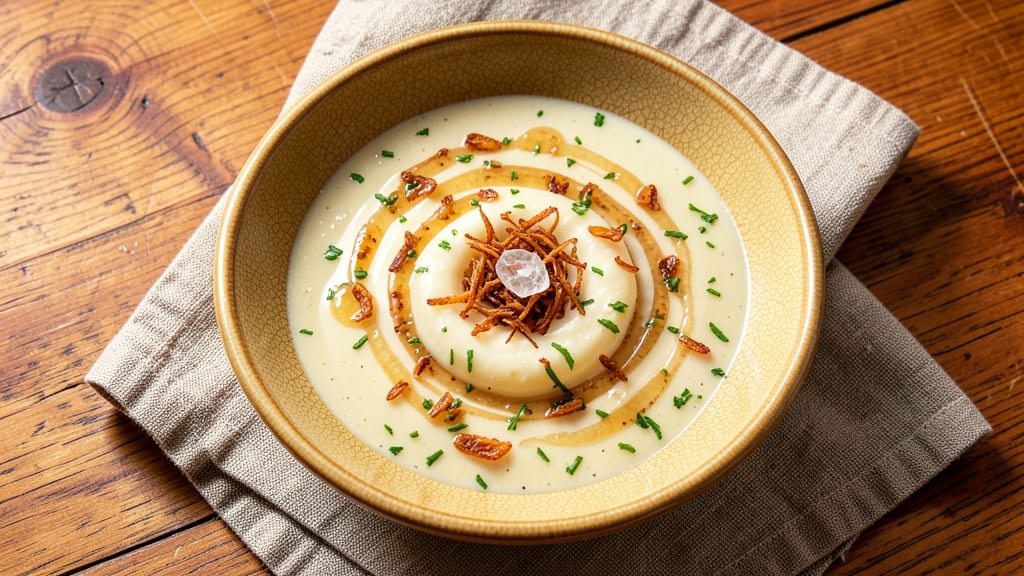
This banzai sauce recipe delivers the perfect balance of silky richness and bright acidity that elevates tempura, grilled meats, and even fried rice. The secret lies in its unique egg-emulsified base, where raw egg yolks create a velvety texture while rice vinegar adds that signature tang.
I developed this version after years of testing—it’s smoother than traditional versions but still packed with umami from soy, ginger, and a touch of sesame oil.
The process is straightforward: simmer a fragrant base of soy, mirin, and sugar, then whisk in raw egg yolks to create that signature glossy finish. No high-powered blender required—just patience and a steady hand.
The sauce thickens beautifully when chilled, making it ideal for drizzling over hot dishes or using as a dipping sauce. It’s the kind of condiment that transforms ordinary meals into something special.
What sets this banzai sauce apart is its versatility—it works equally well as a glaze for teriyaki chicken, a dip for fresh tempura, or a marinade for grilled fish. The hidden vinegar brightness cuts through richness, while the egg emulsion ensures a silky mouthfeel.
Store it in the fridge for up to a week, and let it come to room temperature before using for the best texture.
For an extra layer of depth, toast whole sesame seeds and sprinkle them on top just before serving. This sauce is simple to make but feels like a restaurant-quality secret weapon. Let’s get started!
Ingredients for banzai sauce
Nine simple ingredients transform into a velvety sauce with restaurant-quality depth and brightness.
| Ingredient | Amount | Notes |
|---|---|---|
| Large Egg Yolks 🥚 | 4 whole | Fresh, room temperature preferred |
| Rice Vinegar 🍶 | ½ cup | Seasoned preferred for depth |
| Light Soy Sauce 🍶 | ¼ cup | Kikkoman brand recommended |
| Mirin 🍶 | ¼ cup | Sweet cooking rice wine |
| Granulated Sugar 🍚 | 2 tbsp | White or raw cane sugar |
| Fresh Ginger 🌿 | 1 tbsp | Finely grated, peeled |
| Sesame Oil 🫒 | 1 tbsp | Toasted, not flavored |
| Toasted Sesame Seeds 🌰 | 1 tbsp | For garnish, optional |
| Water 💧 | ¼ cup | Room temperature preferred |
The egg yolks are the heart of this sauce—use only the yolks for that signature silky texture. Kikkoman soy sauce delivers the most authentic umami, but any light soy will work. Mirin adds sweetness and depth, so don’t substitute with regular rice vinegar. Trader Joe’s or Asian markets carry high-quality mirin that’s worth the investment. Fresh ginger is non-negotiable here—dried loses its zing—and a microplane makes grating it quick and easy. For sesame oil, grab the toasted variety from the Asian aisle, not the flavored kind that’s often near regular cooking oils.
No mirin? Substitute 1 tbsp sugar plus 1 tbsp water for the same sweetness. Short on rice vinegar? Apple cider vinegar at half the amount works in a pinch, though it’ll be slightly less tangy. The grated ginger can be swapped for 1 tsp ground ginger, but you’ll lose that fresh brightness. Sesame oil is optional but adds incredible depth—if skipping, add 1 tsp neutral oil to help emulsify the yolks. For a smoother sauce, strain through a fine-mesh sieve after emulsifying, though the texture will be slightly less luxurious.
This sauce thickens beautifully when chilled, so make it ahead if possible. Store in an airtight jar in the fridge for up to 1 week, stirring before use. For best texture, bring to room temperature before drizzling—cold sauce can feel heavy. The sesame seeds, if using, should be toasted in a dry pan for 1-2 minutes until fragrant, then sprinkled on top just before serving. Freeze for up to 3 months in ice cube trays for single-use portions.
Why You'll Love This Recipe
- Five-Ingredient Magic: I swear by this—just yolks, vinegar, soy, mirin, and sugar. No blender, no fancy gadgets, just a whisk and a bowl. Honestly, my lazy nights thank me every time.
- Umami Bomb: That first taste of the rich yolks and soy sauce? It’s like a flavor explosion. The mirin sweetens it just enough, while the vinegar keeps it bright—perfect for cutting through anything.
- Dips & Drizzles: Slather it on grilled fish, toss it with noodles, or use it as a quick marinade. I’ve even drizzled it over avocado toast (don’t judge). It’s my secret weapon for turning simple meals into something special.
- Budget-Friendly Luxury: A little goes a long way, and the ingredients won’t break the bank. Between us, I’ve made gallons of this for under $10—way better than store-bought sauces that taste like they came from a factory.
Step-by-step instructions for banzai sauce
Master this delicate emulsion technique for a sauce that's silky yet bright.
Prepare the Egg Yolk Base
In a heatproof bowl, whisk together the 4 whole large egg yolks and the 2 tablespoons granulated sugar until completely smooth and pale yellow. The sugar helps stabilize the emulsion and adds subtle sweetness that balances the acidity. Place this bowl over a pot of gently simmering water, ensuring the bottom of the bowl doesn't touch the water. This indirect heat method prevents scrambling while gradually warming the yolks.
Stir constantly with a silicone spatula for about 3-4 minutes until the mixture reaches 160°F and thickens noticeably. You'll see it transform from a liquid to a glossy, ribbon-like consistency that holds its shape when the spatula lifts. This temperature is critical—too hot and the eggs will curdle; too cool and the emulsion won't properly form.
Incorporate the Vinegar Mixture
In a separate bowl, combine the 0.5 cup rice vinegar, 0.25 cup light soy sauce, 0.25 cup mirin, and 1 tablespoon finely grated fresh ginger. The ginger should be very finely grated—almost paste-like—to dissolve completely into the liquid. Warm this mixture gently in a small saucepan over low heat for 2-3 minutes until just steaming, but don't let it boil. This activates the flavors and ensures everything blends smoothly.
While still warm, slowly pour this vinegar mixture into the tempered egg yolks, whisking constantly. Add it in a thin, steady stream to prevent the eggs from scrambling. Continue whisking vigorously for 1-2 minutes until the mixture begins to thicken and emulsify. You'll know it's working when it forms a smooth, velvety consistency that coats the back of a spoon. If it looks too thick, add 1 tablespoon of the 0.25 cup water to adjust the texture.
Finish with Sesame Oil and Rest
Remove the bowl from the heat source and let it cool slightly for 2 minutes. Then, slowly drizzle in the 1 tablespoon sesame oil while whisking continuously. The oil adds richness and depth of flavor, but must be incorporated carefully to maintain the emulsion. Whisk for another 30 seconds until fully combined and smooth.
Taste and adjust seasoning if needed—this is your chance to balance the flavors. The sauce should be tangy from the rice vinegar, slightly sweet from the mirin and sugar, with umami from the soy sauce and sesame oil. Transfer the sauce to a clean jar and let it rest at room temperature for at least 30 minutes before using. This resting period allows the flavors to meld completely and the emulsion to fully stabilize.
Use and Store Properly
Serve the banzai sauce immediately over noodles, grilled meats, or as a dipping sauce for dumplings. For best results, use it within 4-5 days when stored in the refrigerator. If it thickens slightly when cold, simply whisk in 1-2 teaspoons of water to restore the original consistency.
This sauce works particularly well with dishes that need that perfect balance of sweet, salty, and tangy flavors. The key to its success lies in the careful temperature control during the egg tempering process and the gradual incorporation of the vinegar mixture. Don't rush this step—patience ensures a silky, stable sauce every time.
Pro Tips For Making Banzai Sauce
- Whisk Yolks Cold: I learned this the hard way—room-temperature yolks turn into scrambled eggs instead of a glossy emulsion. Keep them in the fridge until the very last second, then whisk them into the warm vinegar mixture slowly while stirring constantly. If it looks like it’s curdling, you’re going too fast.
- Measure Vinegar Precisely: Rice vinegar isn’t just vinegar—its acidity varies wildly by brand. Use a scale if you can (it should be ~5% acidity), or at least measure it in a liquid measuring cup. Skimping here makes the sauce taste flat; overdoing it turns it sour. My go-to? Kikkoman’s—consistent and reliable.
- Simmer, Don’t Boil: After combining everything, keep the heat low. A rolling boil will cook the yolks into a sad, grainy mess. You’re aiming for tiny, constant bubbles—like a lazy simmer. Stir every 30 seconds until it thickens to the consistency of honey. Patience here makes all the difference.
- Sweeten Last, Stir Less: Add the sugar after the sauce has thickened, then give it just one final stir. The heat will dissolve it evenly without risking lumps. I used to worry about uneven sweetness, but this method guarantees a smooth finish—no grit, no guesswork.
Creative variations of this banzai sauce
Japanese Tempura Dip
This banzai sauce is a game-changer for tempura lovers—its silky texture and bright acidity cut through the crispy, fried goodness perfectly. Serve it warm in a small ceramic dipping bowl alongside fresh tempura shrimp or veggies for an authentic izakaya experience.
I like to add a pinch of flaky sea salt on top right before serving to enhance the umami depth. 🍤
Grilled Salmon Glaze
Brush this sauce onto skin-on salmon fillets during the last 2 minutes of grilling for a sticky, flavorful crust. The egg emulsion creates a glossy finish that caramelizes beautifully, while the ginger and sesame oil add aromatic complexity.
Pair with steamed jasmine rice and quick-pickled cucumbers for a complete meal. For extra richness, sprinkle with toasted sesame seeds before serving.
Ramen Noodle Elevator
Drizzle 2-3 tablespoons of this sauce over hot ramen just before eating—it transforms the broth into something luxurious. The tangy brightness cuts through the richness of miso or tonkotsu broths, while the egg emulsion adds a luxurious mouthfeel.
For a fusion twist, toss it with udon noodles and top with soft-boiled eggs and scallions. The contrast of textures is pure comfort food magic. 🍜
Spicy Tuna Tartare
Mix 1 tablespoon of this sauce into 8 ounces sushi-grade tuna with 1 teaspoon sriracha, 1 tablespoon soy sauce, and 1 teaspoon sesame seeds. The egg emulsion adds creaminess without dairy, while the vinegar brightens the dish.
Serve with toasted baguette slices or crispy wonton chips for dipping. This version is my go-to for a restaurant-quality tartare at home.
Crispy Chicken Wings
Toss hot, crispy chicken wings in this sauce right after frying—it clings beautifully to the crispy exterior while keeping the meat juicy inside. The sweetness of the mirin and sugar caramelizes slightly when exposed to heat, creating a sticky, glossy finish.
For extra crunch, sprinkle with crushed peanuts and fresh cilantro before serving. It’s a crowd-pleaser that tastes like it came from a Korean-Japanese fusion spot. 🍗
Cold Noodle Dressing
Chill the sauce thoroughly and use it as a dressing for cold soba or udon noodles with shredded cucumber, shredded carrots, and sesame seeds. The cool, silky texture contrasts perfectly with the crisp vegetables.
For a protein boost, add thinly sliced cucumber and avocado. This is my favorite light summer meal—refreshing, flavorful, and completely customizable. ✨
Nutrition facts
Frequently asked questions
Can I make banzai sauce without raw egg yolks?
Yes! For a safer version, replace the yolks with 2 tablespoons cornstarch mixed with 2 tablespoons water to create a slurry. Cook this mixture with the vinegar base until thickened, then stir in 1 tablespoon sesame oil and 1 teaspoon lemon juice for brightness. The texture will be slightly thinner but still delicious.
Why did my banzai sauce separate?
Separation usually happens when the egg yolks were heated too quickly or the vinegar mixture was added too fast. To fix it, whisk in 1 tablespoon warm water while gently reheating the sauce over low heat (don't boil) until it re-emulsifies. For prevention, always temper the yolks slowly and add liquids gradually.
How long does homemade banzai sauce last?
Store it in an airtight jar in the fridge for up to 1 week. The emulsion will thicken slightly when cold—just whisk in 1-2 teaspoons water to restore consistency. For longer storage, freeze in ice cube trays for 3 months, thawing overnight in the fridge before use.
What's the difference between banzai sauce and ponzu?
While both are Japanese condiments, banzai sauce features a silky egg emulsion with rice vinegar and sweetness from mirin, creating a glossy, velvety texture. Ponzu is citrus-based (usually yuzu) with a sharper tang and no egg—it's more like a tangy dressing. Banzai excels as a glaze or dip, while ponzu works better for marinades or ceviche.
Can I use this sauce on non-Japanese dishes?
The balanced sweet-savory-tangy profile works beautifully with grilled pork ribs, fried chicken, or even burgers. Try drizzling it over tacos with pickled onions or mixing into peanut sauce for Asian-inspired flavors. The egg emulsion adds richness that elevates any protein.