
Sauces & Condiments
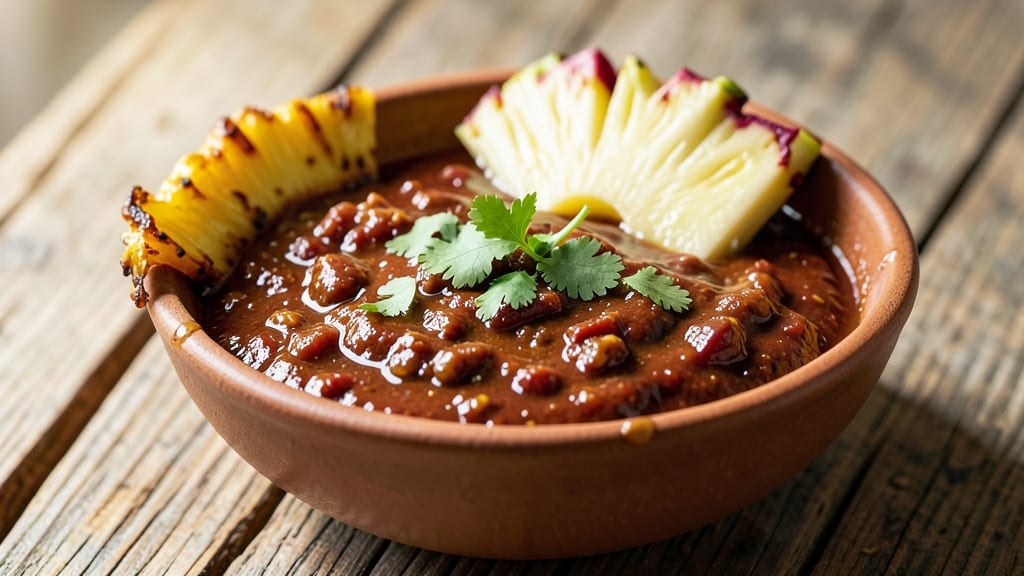
This authentic al pastor sauce recipe delivers the smoky, tangy, and slightly sweet profile that defines Mexican street tacos. The secret lies in achiote paste and chipotle peppers, which create that signature deep red color and complex smokiness.
I've perfected this version to balance heat, acidity, and fruitiness—just like the sauces you'd find at a taquería in Mexico City.
The sauce starts with dried guajillo and ancho chiles, toasted and blended into a velvety base that forms the foundation of every authentic al pastor dish. Achiote paste adds its signature color and earthy warmth, while pineapple juice and vinegar brighten the flavors.
The result is a sauce that's rich enough to stand alone but designed to enhance marinated meat.
What makes this recipe truly special is its versatility—use it as a marinade, a dipping sauce, or a topping for tacos, quesadillas, or grilled meats. The blend of spices and fruit creates layers of flavor that develop even better after a few days in the fridge.
For maximum authenticity, let the sauce sit overnight before using.
With just 10 simple ingredients and a 30-minute preparation time, you'll have a sauce that captures the essence of al pastor without the fuss. The key is patience—allowing the flavors to meld creates a depth that store-bought versions simply can't match.
This is the kind of sauce that transforms ordinary meals into something extraordinary.
Ingredients for authentic al pastor sauce
Ten ingredients transform into a sauce that captures the soul of Mexican street tacos.
| Ingredient | Amount | Notes |
|---|---|---|
| Dried Guajillo Chiles 🌶️ | 4 whole | Stems and seeds removed |
| Dried Ancho Chiles 🌶️ | 2 whole | Stems and seeds removed |
| Achiote Paste 🌿 | 1 tbsp | For signature color and warmth |
| Dried Chipotle Peppers in Adobo 🌶️ | 2 whole | From can, minced |
| Pineapple Juice 🍍 | 1 cup | Freshly squeezed preferred |
| White Vinegar 💧 | ½ cup | For tangy brightness |
| Garlic Cloves 🧄 | 4 cloves | Peeled, rough chopped |
| Ground Cumin 🌿 | 1 tsp | Toasted for depth |
| Salt 🧂 | 1 tsp | Kosher or sea salt |
| Extra-Virgin Olive Oil 🫒 | ¼ cup | For richness |
The chiles are the heart of this sauce—guajillo and ancho bring sweetness and depth, while chipotle delivers that signature smokiness. Mexican markets or specialty Latin stores carry the best dried chiles, but most grocery stores stock them too. Look for vibrant color and avoid chiles that feel dry or brittle. Toasting them lightly in a dry skillet enhances their flavor without burning. Achiote paste isn't always easy to find, but Trader Joe's and Amazon usually have it. If you can't locate it, blend annatto seeds with oil for a similar effect.
No chipotle peppers in adobo? Smoked paprika at half the amount works in a pinch, though it won't have the same depth. Fresh pineapple juice is ideal, but canned pineapple juice (no sugar added) is a solid backup. The vinegar can be swapped for lime juice if you prefer a citrusier profile. For extra heat, add a pinch of cayenne. If you're short on time, blend the chiles and spices dry, then add liquids later—just know the flavors will meld better with overnight resting. Toasting the cumin seeds before grinding them takes this sauce to the next level, but pre-ground cumin is perfectly fine if you're in a hurry.
This sauce develops best when made a day ahead—flavors deepen and balance beautifully. Store it in an airtight container in the fridge for up to 5 days or freeze for 3 months. The olive oil helps preserve freshness, so pour a thin layer over the top before sealing. For restaurant-quality results, let the sauce sit at room temperature for 30 minutes before using—this allows the smokiness to bloom. It's perfect for marinating al pastor-style pork, drizzling over tacos, or serving as a dipping sauce with grilled meats.
Why You'll Love This Recipe
- No Soaking Needed: I’ll admit, I used to dread the soak-and-strain step with dried chiles—but not here. Toast the guajillo and ancho right in the dry skillet, then just blend them with the achiote and adobo. The heat softens them perfectly, and you’re done in minutes. (Yes, even on a Tuesday night.)
- Smoky-Sweet Magic: That pineapple juice isn’t just for color—it’s the secret. The guajillo’s earthy heat meets the chipotle’s smoky punch, then the pineapple brightens everything with a tangy, almost citrusy lift. Honestly, it’s the kind of balance that makes you reach for the tortillas twice.
- Taco Night or Bowl Day: This sauce doesn’t just belong on tacos. Drizzle it over grilled chicken, mix it into rice, or even slather it on nachos. I’ve used it as a marinade for shrimp, and it turned a simple weeknight dinner into something special. (Between us, it’s my go-to for lazy Sundays.)
- Makes More Than You Think: A single batch stretches easily—freeze half for next month’s burrito nights. The flavors actually deepens when reheated, so you’re not stuck with lukewarm leftovers. Plus, dried chiles and adobo are cheaper than fresh peppers, so you’re saving cash without sacrificing taste.
Step-by-step instructions for authentic al pastor sauce
This method delivers the true balance of smoky, spicy, and tangy flavors that define al pastor sauce.
Toast and Rehydrate the Dried Chiles
Begin by toasting the 4 whole dried guajillo chiles and 2 whole dried ancho chiles in a dry skillet over medium heat for 30 seconds per side until they darken slightly and become fragrant. This step deepens their natural smokiness and removes any potential bitterness. Transfer the toasted chiles to a heatproof bowl and cover them with 1 cup hot water from the kettle. Let them soak for 15 minutes while you prepare the remaining ingredients.
The water should turn a rich, earthy red as the chiles rehydrate. This initial soaking is crucial—it softens the chiles enough to blend smoothly while preserving their complex flavor. If you're short on time, you can microwave them for 2 minutes instead, but toasting first makes all the difference in the final depth of flavor.
Blend the Chiles with Aromatics and Spices
Drain the soaked chiles, reserving the soaking liquid, and transfer them to a blender along with the 2 whole dried chipotle peppers in adobo (minced from the can), 1 tbsp achiote paste, 4 cloves rough chopped garlic, 1 tsp ground cumin, and 1 tsp salt. Add ½ cup of the reserved chile soaking liquid to help create a smooth puree. Blend on high until completely smooth, scraping down the sides as needed. The mixture should be thick but pourable, with a deep red hue from the achiote and chiles.
Here's where the sauce's signature character comes together—the smoky heat of the chipotles, the earthy sweetness of the ancho and guajillo, and the warm, toasty notes of the cumin and achiote. If the mixture seems too thick, add 1 tablespoon at a time of the reserved soaking liquid until it reaches a smooth, spreadable consistency. The sauce should coat the back of a spoon but still be blendable.
Build the Sauce with Pineapple and Vinegar
Pour the blended chile mixture into a clean saucepan and place it over medium-low heat. Stir in the 1 cup pineapple juice and ½ cup white vinegar, bringing the mixture to a gentle simmer. Let it cook uncovered for 10-12 minutes, stirring occasionally, until it reduces by about one-third and becomes slightly thickened. You'll notice the aroma intensify as the acidity from the vinegar brightens the smoky flavors, while the pineapple adds a subtle sweetness that balances the heat.
This reduction step is what transforms the raw blend into a cohesive sauce. The liquid should cling to the back of a spoon when you lift it, and the color should deepen to a rich, glossy red. If the sauce starts to separate, whisk vigorously to re-emulsify it. The acidity from the vinegar and pineapple juice also helps break down any remaining fiber from the chiles, ensuring a silky texture.
Finish with Olive Oil for Richness
Remove the sauce from heat and let it cool slightly for 2-3 minutes. While it cools, stir in the ¼ cup extra-virgin olive oil in a slow, steady stream, whisking continuously to incorporate it smoothly. The oil should blend seamlessly, adding a velvety richness that rounds out the sauce's acidity and heat. Taste and adjust the seasoning—add a pinch more salt if needed, or a splash of pineapple juice if the sauce is too intense.
The olive oil not only enhances the sauce's texture but also carries the flavors more effectively when used to baste or drizzle over al pastor tacos. For the best results, let the sauce rest for 10 minutes before using it. This allows the flavors to fully meld and the sauce to reach its ideal consistency. Store any leftovers in an airtight container in the refrigerator for up to 5 days, or freeze for 3 months. Reheat gently over low heat, stirring occasionally to prevent separation.
Pro Tips For Making Authentic Al Pastor Sauce
- Toast Chiles Low and Slow: Skip the high-heat blaze—guajillos and ancho chiles burn faster than you think. Toast them over medium-low heat in a dry skillet, stirring constantly, until they darken and smell smoky (about 2-3 minutes total). I learned this the hard way after turning three batches into bitter ash.
- Strain Twice for Smoothness: After blending the sauce, strain it through a fine-mesh sieve twice—once with a spoon, then again with cheesecloth. The second pass catches those stubborn achiote paste specks that ruin texture. (Yes, it’s extra work, but your sauce will thank you.)
- Simmer Pineapple Juice: Don’t just toss in pineapple juice—reduce it by half first. Simmer it with the chiles and spices for 10 minutes to deepen the sweetness and cut through the heat. Sounds weird, but it works: the sauce stays balanced even when you double the chiles.
- Use Chipotle Paste, Not Powder: Chipotle powder lacks the smoky depth of adobo paste. Mash 1-2 chipotles in adobo into the sauce (seeds and all) for real heat and complexity. I was skeptical until I tried it—now I can’t go back.
Make-ahead tips for authentic al pastor sauce
Prep Ahead Strategy
I recommend making this sauce 24 hours in advance—the flavors develop beautifully over time. After blending the chiles, aromatics, and spices, transfer the mixture to an airtight container and refrigerate.
The next day, you'll notice the smokiness deepens and the acidity mellows into perfect balance. This is especially important for marinades, where the sauce needs time to tenderize meat. 💫
Freezing for Longevity
For long-term storage, freeze the sauce in ice cube trays or small airtight containers. Portion it into 1-tablespoon servings (perfect for tacos) or ¼-cup batches for marinades.
Thaw overnight in the fridge—never microwave directly from frozen, as it can break the emulsion. The texture remains velvety smooth when reheated gently on the stovetop.
Marinade Prep
Double the recipe if using as a marinade for al pastor-style pork. Combine the sauce with 2 cups of water and 1 tbsp brown sugar in a ziplock bag with the meat.
Marinate for 6-12 hours in the fridge. The sugar helps caramelize during cooking, creating that signature crispy exterior. Always use a glass or ceramic container for marinating to avoid plastic odors.
Sauce Layering Hack
For restaurant-quality results, prepare two batches: one with extra chipotle peppers (for heat) and one with extra pineapple juice (for brightness). Layer them in a glass jar with parchment paper between layers.
This creates a dual-sauce system—drizzle the bright layer first, then the smoky one. The contrast elevates every bite. Store layers separately in the fridge for up to 5 days.
Reheating Without Separation
When reheating, add 1 tablespoon of warm water per ½ cup of sauce to prevent thickening. Warm over low heat for 3-5 minutes, stirring constantly. Never boil—this can make the sauce grainy.
For microwave reheating, use 30-second intervals on 50% power, stirring between each. The olive oil helps maintain a silky texture even after reheating. ✨
Garnish Prep Shortcut
Make a quick-pickle topping to serve alongside the sauce: thinly slice 1 small red onion and 1 jalapeño, then soak in ½ cup vinegar and 1 tsp salt for 10 minutes.
Drain and store in the fridge for up to 1 week. The tangy crunch cuts through the sauce's richness perfectly. Keep this in a separate container to avoid flavor transfer. 🌶️
Nutrition facts
Frequently asked questions
Can I substitute fresh chiles for dried in this recipe?
Fresh chiles won't work as direct substitutes—they lack the depth and complexity of dried guajillo and ancho. However, you can blend 3-4 fresh jalapeños or 2 serranos with 1 tbsp adobo sauce to mimic some of the heat and smokiness. For the best results, stick with dried chiles—they provide that signature earthy sweetness and rich color that fresh varieties can't match.
Why does my sauce look thinner than the recipe suggests?
The sauce should coat the back of a spoon but remain pourable. If it's too thin, simmer uncovered for 5-10 extra minutes to reduce the liquid. For a thicker consistency, blend in 1 tbsp cornstarch mixed with 2 tbsp water and stir until thickened. The olive oil added at the end also helps emulsify the sauce naturally. If separation occurs, whisk vigorously or blend briefly to recombine.
How can I make this sauce spicier?
For extra heat, add 1 extra chipotle pepper (minced) or ½ tsp cayenne powder when blending the chiles. You can also stir in 1-2 tbsp hot sauce (like Valentina or Cholula) after cooking. For a smoky kick, toast ½ tsp smoked paprika in the dry skillet with the chiles. Always taste as you go—spice levels vary based on chile freshness and personal preference.
Can I use this sauce as a marinade for chicken or fish?
Yes! This sauce works beautifully as a marinade for chicken thighs or white fish like snapper. Combine 1 cup of sauce with 2 cups water and 1 tbsp brown sugar (for caramelization). Marinate for 4-6 hours for chicken or 2-3 hours for fish. The acidity tenderizes the meat while the spices create a crispy crust. For delicate fish, reduce marinating time to 1 hour to avoid overcooking.
What's the best way to store leftovers?
Transfer cooled sauce to an airtight container and refrigerate for up to 5 days. For longer storage, freeze in ice cube trays or small containers. Thaw overnight in the fridge—never microwave directly from frozen. To reheat, warm over low heat with 1 tbsp water per ½ cup sauce to prevent thickening. The olive oil helps preserve freshness, so always keep a thin layer on top before sealing.