
Sauces & Condiments
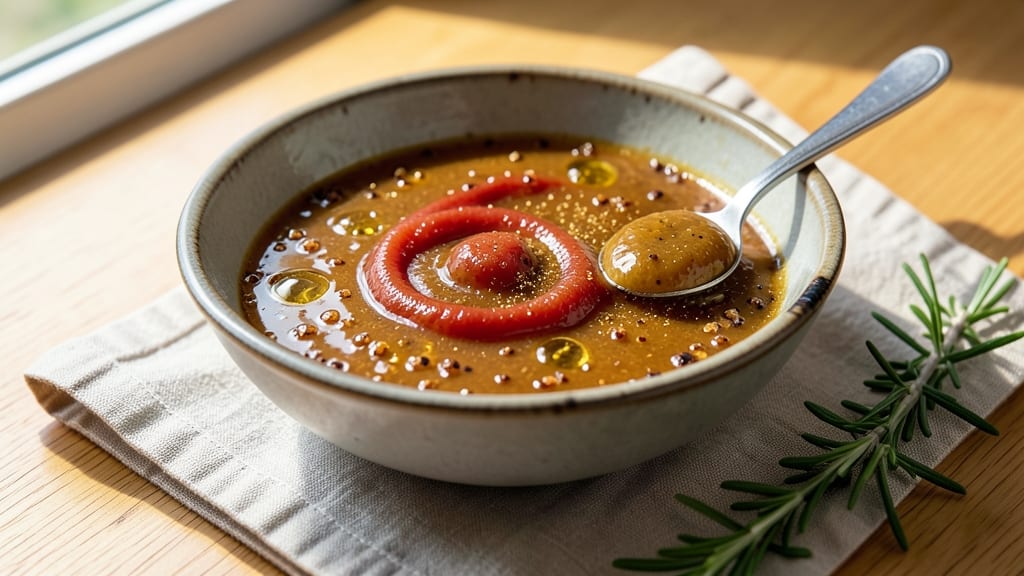
This apple juice BBQ sauce recipe transforms traditional sweet-savory glazes with a fruity twist that pairs perfectly with ribs, pulled pork, or grilled chicken. The secret lies in balancing apple juice's natural sweetness with tangy vinegar and smoky spices, creating a sauce that's both familiar and exciting.
I developed this recipe after years of experimenting with fruit-infused rubs—it's the one that finally convinced my family we could make BBQ sauce better than store-bought.
The process is simpler than you'd think: just simmer apple juice, tomato paste, and a blend of spices until thickened into a glossy glaze. No fancy equipment needed—just a heavy-bottomed pot and patience.
The sauce develops deeper flavor as it reduces, with the apple juice adding subtle complexity that cuts through rich meats beautifully. It's the kind of sauce that makes weeknight grilling feel like a special occasion.
What makes this sauce truly special is its versatility. Use it as a glaze for ribs or chicken, a dipping sauce for fries, or even a marinade for grilled vegetables. The sweet-tart balance works wonders with smoky meats, while the natural acidity keeps the sauce from becoming cloying.
Plus, it stores well in the fridge for up to two weeks, so you can make a big batch and enjoy it all season long.
This isn't just another BBQ sauce—it's a game-changer for anyone looking to elevate their grilling game without sacrificing simplicity. The apple juice brings a refreshing twist that pairs perfectly with traditional BBQ flavors. Let's get started on making a sauce that'll have everyone asking for seconds.
Ingredients for apple juice bbq sauce
Sweet, tangy, and smoky—just these ten ingredients transform into a BBQ sauce that's better than anything store-bought.
| Ingredient | Amount | Notes |
|---|---|---|
| Apple Juice 🍎 | 1 ½ cups | Unsweetened, 100% pure |
| Tomato Paste 🍅 | ½ cup | No sugar added preferred |
| Apple Cider Vinegar 🍶 | ¼ cup | For tangy depth |
| Brown Sugar 🍚 | ½ cup | Light or dark |
| Smoked Paprika 🌶️ | 1 tbsp | For smoky flavor |
| Garlic Powder 🧄 | 1 ½ tsp | Freshly ground preferred |
| Onion Powder 🧅 | 1 ½ tsp | For savory base |
| Ground Black Pepper 🌶️ | ½ tsp | Freshly cracked |
| Salt 🧂 | 1 tsp | Kosher or sea salt |
| Mustard Powder 🍯 | ½ tsp | Yellow or Dijon |
Apple juice is the star here, so skip the sweetened versions—you want that natural fruitiness to shine. Mott's or Tree Top are my go-tos, but any unsweetened juice works. The tomato paste? Muir Glen plain or no-sugar-added keeps things balanced. I always double-check the label for hidden sugars. For the vinegar, Bragg's apple cider vinegar has that perfect tang, but any good-quality vinegar will do. The spices are where the magic happens—smoked paprika from Penzeys adds that authentic BBQ flavor without overpowering the fruit.
No apple juice? White grape juice or pear nectar works in a pinch, though the flavor won't be identical. Swapping brown sugar for maple syrup or honey adds moisture but changes the texture slightly. Fresh garlic and onion powder can be replaced with 1/4 cup finely minced fresh garlic and onion, but toast them first for deeper flavor. If you're avoiding sugar entirely, reduce the sauce longer to concentrate the natural sweetness. For extra smokiness, add 1/2 tsp liquid smoke, but use sparingly—it's potent!
This sauce thickens as it cools, so don't stress if it looks runny right after simmering. Store it in a glass jar in the fridge for up to 2 weeks, or freeze portions for 6 months. I like to make a big batch and keep it on hand for grilling—it's perfect for ribs, pulled pork, or even as a marinade. If it separates, just stir it back together before using. The longer it sits, the deeper the flavors get, so patience pays off here.
Why You'll Love This Recipe
- Fridge Stash Magic: I keep a bottle of this in my fridge because it’s made from things I already have—apple juice, tomato paste, vinegar—stuff that doesn’t spoil fast. No last-minute grocery runs, just mix and go.
- Sweet-Smoky Balance: The brown sugar and smoked paprika team up for a sauce that’s rich but not cloying, tangy but not sour. It’s the kind of flavor that makes you pour extra on ribs or chicken wings without guilt.
- Weeknight & Weekend: Slap this on grilled chicken for a quick weeknight dinner or toss it with roasted veggies for a crowd-pleasing side. Honestly, I’ve used it for everything from burgers to baked beans—it just works.
- Makes More Than You Need: Between us, this sauce doubles as a marinade, a glaze, or a condiment. I’ve had leftovers last two weeks in the fridge, and the vinegar keeps it from going bad. Budget-friendly? Absolutely.
Step-by-step instructions for apple juice BBQ sauce
This sweet-tart glaze comes together in one pot with simple ingredients you already have.
Combine Wet Ingredients and Simmer
In a medium saucepan, pour in the 1.5 cups apple juice and 0.5 cup tomato paste. Stir well to dissolve the tomato paste completely—this prevents any lumps from forming later. Add the 0.25 cup apple cider vinegar and 0.5 cup brown sugar, stirring until the sugar dissolves. Place the saucepan over medium heat and bring to a gentle boil.
Once boiling, reduce the heat to low and let it simmer uncovered for 10 minutes. This initial simmer helps blend the flavors and reduces the sauce slightly. You'll notice the aroma becomes richer—this is the apple juice releasing its natural sweetness while the vinegar adds a bright tang. Keep an eye on it; you don't want it to boil too vigorously or it may splatter.
Add Dry Seasonings and Thicken
Lower the heat to medium-low and sprinkle in the 1 tbsp smoked paprika, 1.5 tsp garlic powder, 1.5 tsp onion powder, 0.5 tsp ground black pepper, 1 tsp salt, and 0.5 tsp mustard powder. Stir constantly for 2-3 minutes until the spices are fully incorporated and the sauce begins to thicken slightly. The mustard powder will give it a subtle depth, while the smoked paprika adds that signature BBQ smokiness.
Here's where it gets good—the sauce should start to coat the back of a spoon. If it thickens too quickly, add 1-2 tablespoons of water to balance the consistency. You're aiming for a glossy, pourable glaze that clings beautifully to meats or vegetables. Let it simmer for another 5 minutes, stirring occasionally, until it reaches your desired thickness.
Strain and Cool for Perfect Texture
Remove the saucepan from heat and let it cool for 5 minutes. This resting period allows the flavors to meld together. Once cooled slightly, pour the sauce through a fine-mesh strainer into a bowl or jar. The straining removes any potential grit from the spices, giving you a silky-smooth finish. If you prefer a slightly thicker consistency, return the sauce to low heat and simmer uncovered for an additional 2-3 minutes to reduce further.
For best results, let the sauce cool completely to room temperature before using. This helps the flavors fully develop. The sauce will thicken even more as it cools, so don't worry if it looks a bit runny while warm. Store any leftovers in an airtight container in the refrigerator for up to 2 weeks, or freeze for up to 3 months. This versatile glaze works beautifully on grilled chicken, pork ribs, or even as a marinade for vegetables.
Pro Tips For Making Apple Juice Bbq Sauce
- Simmer Low and Slow: After burning the tomato paste the first three times, I learned this sauce needs patience—keep it at a gentle bubble, not a rolling boil. Too much heat turns that sweet apple juice into a bitter mess, and you’ll be starting over.
- Reduce the Juice First: Dump all the apple juice in at once and you’re asking for a watery sauce. Instead, cook off half the juice until it’s syrupy before adding the rest—this builds flavor layer by layer, not dilution.
- Skip the Cheap Vinegar: That $1 bottle of vinegar? It’ll make your sauce taste harsh and chemical. Good apple cider vinegar has depth—pick one with a rich color and a hint of tang, or your sauce will taste like cleaning solvent.
- Whisk in the Sugar Gradually: Dump all the brown sugar at once and you’ll end up with grainy clumps that refuse to dissolve. Stir in a third at a time, letting each batch melt into the sauce before adding more—smooth texture matters.
Serving suggestions for this recipe
Grilled Meats
This apple juice BBQ sauce shines brightest on grilled meats, especially pork ribs or pulled pork. Brush it on during the last 10-15 minutes of cooking to create a caramelized crust. I love using it on baby back ribs—the apple juice's natural sweetness complements the smoky flavor perfectly.
For pulled pork, add ½ cup sauce per pound during the final hour of slow cooking. 🔥
Chicken Applications
Grilled or baked chicken gets an instant upgrade with this sauce. Toss bone-in chicken thighs with 2 tbsp sauce before grilling, or drizzle 1 tbsp over baked chicken breasts in the last 5 minutes of cooking.
The sauce also works as a marinade—coat chicken drumsticks in ½ cup sauce and grill for 20-25 minutes for sticky, flavorful results.
Vegetable Glazes
Don't limit this sauce to meats! Toss grilled asparagus or Brussels sprouts with 1 tbsp sauce and roast until caramelized. I also love brushing portobello mushrooms with sauce before grilling them for a vegetarian option. The sweet-tart balance enhances the natural flavors of vegetables beautifully.
Dipping Sauce
Serve this sauce as a dip for fried chicken tenders, onion rings, or crispy fries. Warm it slightly before serving to enhance its glossy texture. For extra crunch, sprinkle with chopped pecans or crushed tortilla chips. It's a crowd-pleaser at game day gatherings!
Breakfast Twist
Use this sauce as a glaze for bacon or sausage during the last 2 minutes of cooking. The sweetness pairs perfectly with the smokiness of breakfast meats. I also drizzle it over pancakes or waffles for a fun brunch presentation—trust me, it's a game-changer. 🍳
Meal Prep Ideas
Make a big batch of this sauce and store it in glass jars for up to 2 weeks in the fridge. Use it to flavor slow-cooker meals like pulled chicken or pork, or as a quick glaze for weeknight stir-fries.
The versatility makes it a pantry staple—once you try it, you'll never go back to store-bought. ✨
Nutrition facts
Frequently asked questions
Can I substitute apple juice with another fruit juice?
Yes, but the flavor will change slightly. For similar sweetness, try white grape juice or pear nectar. For a deeper tang, cranberry juice works well, though it may darken the sauce. Avoid citrus juices like orange—they can overpower the smoky spices. Always use unsweetened varieties to maintain balance.
How do I adjust the sweetness level?
Start with the 0.5 cup brown sugar as written, but taste as you go. For less sweetness, reduce sugar by 1-2 tablespoons or add 1 extra tablespoon apple cider vinegar to balance. If you prefer it sweeter, add sugar gradually—1 teaspoon at a time—and simmer for 2-3 extra minutes to let flavors meld.
Why did my sauce turn out too thin?
This happens when the sauce hasn't reduced enough. Return it to low heat and simmer uncovered for 5-10 extra minutes, stirring occasionally. If it still looks thin, mix 1 teaspoon cornstarch with 1 tablespoon water, stir into the sauce, and simmer for 2 minutes until thickened. Never rush this step—patience ensures the perfect consistency.
Can I make this sauce without a stove?
Use a microwave-safe bowl instead. Combine all ingredients and microwave on high for 3 minutes, stir, then microwave another 2 minutes until thickened. The texture won't be identical (it'll be slightly thinner), but the flavors will still shine. For best results, finish with a quick 2-minute simmer on the stove if possible.
What's the best way to store leftover sauce?
Transfer cooled sauce to an airtight glass jar and refrigerate for up to 2 weeks. For longer storage, freeze in ice cube trays**—thaw overnight in the fridge before using. The sauce thickens when cold, so stir well before reheating. If it separates, simply warm gently and whisk until smooth again.