
Sauces & Condiments
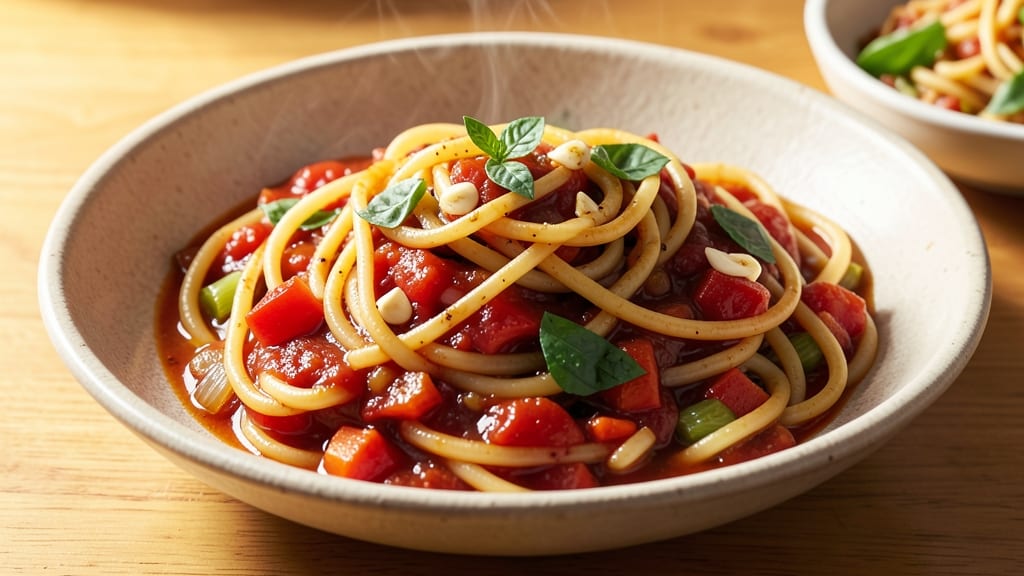
This all-natural spaghetti sauce delivers restaurant-quality depth using only wholesome ingredients—no artificial preservatives or additives. The secret lies in slow simmering tomatoes with aromatic vegetables, garlic, and herbs until their flavors meld into a rich, velvety sauce with natural umami complexity.
I developed this recipe after years of testing homemade versions that actually taste better than store-bought, with no compromises on flavor or authenticity.
The foundation begins with fresh tomatoes (or high-quality canned San Marzano) cooked down with onions, carrots, and celery for that essential sweet-savory base. A blend of Italian herbs, crushed red pepper, and a splash of red wine add layers of depth that develop during the 30-minute simmering time.
The sauce thickens naturally as it reduces, creating that perfect consistency that clings beautifully to pasta without being overly heavy.
What makes this sauce truly special is how versatile it is—use it immediately with spaghetti or any pasta, or store it in the refrigerator for up to 5 days where the flavors continue to deepen.
For a vegan version, simply omit the optional meat component entirely, while vegetarians can add sautéed mushrooms or lentils for extra substance. The result is a sauce that's rich, aromatic, and packed with natural flavor that transforms simple pasta into a memorable meal.
This recipe proves you don't need artificial ingredients to create a sauce that stands out. The slow cooking process allows all the natural flavors to shine through, creating a product that's as good for your health as it is for your taste buds.
Let's create this authentic, preservative-free spaghetti sauce that will become your new kitchen staple.
Ingredients for all natural spaghetti sauce
San Marzano tomatoes and aromatic vegetables create the heart of this wholesome, preservative-free sauce.
| Ingredient | Amount | Notes |
|---|---|---|
| San Marzano Tomato Crushed 🍅 | 28 oz | High-quality canned, no salt added |
| Yellow Onion 🧅 | 1 whole | Diced medium (about 1 cup) |
| Carrot 🥕 | 2 whole | Diced medium (about 1/2 cup) |
| Celery Stalks 🌿 | 2 whole | Diced (about 1/2 cup) |
| Garlic Cloves 🧄 | 4 cloves | Minced (about 1 tbsp) |
| Extra-Virgin Olive Oil 🫒 | ¼ cup | For sautéing vegetables |
| Dry Red Wine 🍷 | ½ cup | Bold variety (Cabernet Sauvignon) |
| Crushed Red Pepper Flakes 🌶️ | 1 tsp | Adjust to taste |
| Italian Seasoning 🌿 | 1 tbsp | Or blend of dried basil, oregano, thyme |
| Kosher Salt 🧂 | 1 ½ tsp | Diamond Crystal preferred |
| Black Pepper 🌶️ | ½ tsp | Freshly ground |
| Fresh Basil Leaves 🌿 | ¼ cup | Chopped, for finishing |
| Ground Beef (optional) 🥩 | ½ lb | 80/20 fat ratio, browned |
The San Marzano tomatoes are non-negotiable here—look for the plum-shaped cans with no added salt. Costco and Whole Foods carry the best brands, or check the Italian aisle at Trader Joe's. The onion, carrot, and celery trio (called soffritto) builds the sauce's sweet-savory foundation, so don't skip them. For the garlic, I always grab the freshest bulb from the produce section—it makes a noticeable difference. The olive oil should be extra-virgin with a peppery finish; California Olive Ranch is my go-to. If you're making this vegan, omit the optional beef entirely—it's not necessary for depth.
No red wine? Substitute beef broth with 1 tsp balsamic vinegar—it mimics the acidity and depth. Fresh basil is ideal, but dried oregano at half the amount works in a pinch. The crushed red pepper flakes can be swapped for hot paprika if you prefer milder heat. For the optional meat, ground chuck works better than lean ground beef—it adds richness without overpowering. If you're vegetarian, sauté 1 cup of mushrooms with the vegetables for extra umami. The Italian seasoning blend should contain basil, oregano, thyme, and rosemary—check the label if buying pre-mixed.
This sauce tastes even better the next day as flavors meld. Store in an airtight container in the fridge for up to 5 days, or freeze for 3 months using ice cube trays for single servings. I always double the batch—one for immediate use, one to freeze. When reheating, add a splash of water or broth to prevent thickening. The optional meat component can be cooked ahead and stored separately, then mixed in when reheating. Fresh basil should be added just before serving—it wilts quickly when heated.
Why You'll Love This Recipe
- No-Chop Trick: I swear by this—just dice the onion, carrot, and celery together (no peeling needed if you’re lazy) and toss them in whole. The San Marzano tomatoes handle the rest, simmering down to a rich, sweet sauce while you’re still deciding what to eat for dessert.
- Garlic Bomb Depth: Between us, the garlic here isn’t just a sidekick. You’ll roast those cloves until they’re jammy and golden, then crush them right into the sauce. That crispy edge with the creamy center? Chef’s kiss. (And yes, even on a Tuesday night.)
- Double-Duty Magic: This sauce doesn’t just work with spaghetti—it’s my go-to for stuffed shells, meatballs, or even a quick lasagna. Freeze half the batch, and you’ve got a weeknight lifesaver when you’re too tired to think.
- Pantry Goldmine: Honestly, the ingredients cost less than takeout, and they’ll last. A single can of San Marzano tomatoes stretches into three meals, and the veggies? They’re the cheap, crunchy kind that don’t wilt in your drawer. Budget-friendly doesn’t get much better than this.
Step-by-step instructions for simmered umami spaghetti sauce
Here's how to build rich, layered flavor from scratch—no shortcuts, just pure simmered depth.
Sauté the Vegetable Base
Heat the 0.25 cup extra-virgin olive oil in a heavy-bottomed pot over medium heat. Add the diced 1 whole yellow onion, 2 whole carrots, and 2 whole celery stalks—this classic combination forms the aromatic backbone of Italian sauces. Cook for 8-10 minutes until the vegetables soften and release their natural sweetness, stirring occasionally to prevent browning.
Here's the thing—don't rush this step. You want the vegetables to break down completely, releasing their sugars and flavors into the oil. When they're tender and the onion becomes translucent, add the 4 cloves minced garlic and cook for another 30 seconds until fragrant. That garlic should smell like heaven, not burn—if it starts to darken too quickly, reduce the heat slightly. This foundational step creates the umami base your sauce will build upon.
Deglaze and Build the Sauce Foundation
Pour in the 0.5 cup dry red wine and scrape the bottom of the pot vigorously with a wooden spoon, collecting all those browned bits that pack serious flavor. Let the wine simmer for 3-4 minutes until it reduces by about half, intensifying its concentration. This deglazing step transforms simple ingredients into something complex and layered.
Next, add the 28 oz San Marzano tomato crushed and stir well to combine. The acidity in the tomatoes will mellow as they cook, but this initial bright note helps balance the richness. Sprinkle in the 1 tsp crushed red pepper flakes, 1 tbsp Italian seasoning, 1.5 tsp kosher salt, and 0.5 tsp black pepper. Give everything a good stir—this is where the magic begins.
Simmer for Deep Flavor Development
Bring the sauce to a gentle simmer over low heat and let it cook uncovered for 45-60 minutes. This isn't the time to rush—patience is key. Stir occasionally, especially if you're using the optional 0.5 lb ground beef (if included, brown it first in a separate pan before adding). The sauce should reduce slightly, thickening as it develops concentrated flavor.
You'll know it's ready when the sauce coats the back of a spoon and the vegetables have completely broken down into the mixture. If the sauce becomes too thick, add 2-4 tablespoons of water to reach your desired consistency. The goal is a velvety texture with visible chunks of tomato and vegetables—this is what gives homemade sauce its character.
Finish with Fresh Herbs
Remove the pot from heat and let the sauce rest for 5 minutes. This resting period allows the flavors to meld completely. Stir in the 0.25 cup chopped fresh basil leaves just before serving—adding them earlier would make the sauce bitter. The basil should brighten the sauce with its fresh, slightly peppery notes, cutting through the richness.
Taste and adjust seasoning if needed. I often find the sauce needs just a pinch more salt or a crack of black pepper to perfect the balance. Serve immediately over al dente spaghetti, reserving some pasta water to thin the sauce if necessary. The result should be a sauce that's rich, complex, and bursting with natural umami—no preservatives, just pure simmered flavor.
Pro Tips For Making All Natural Spaghetti Sauce
- Sweat the Veggies First: Crushed San Marzanos are sweet and juicy, but they need something to ground them—properly cooked mirepoix does that. Dice the onion, carrot, and celery into small, even pieces (1/4-inch or less) and cook them in olive oil over medium-low heat for 12-15 minutes until the onion is translucent and the carrot is soft but not browned. Rushing this step means your sauce will taste raw and unbalanced.
- Use Whole Garlic: Peeling and mincing garlic is a pain, but whole cloves release flavor more evenly and prevent burning. Add 3-4 unpeeled cloves to the pot when the mirepoix is nearly done, then crush them lightly with the side of your knife—no need to chop. Let them cook until fragrant but not golden (about 2 minutes). Overcooking turns garlic bitter, and that’s a flavor crime in a simple tomato sauce.
- Simmer, Don’t Boil: After adding the crushed tomatoes, lower the heat to a bare simmer—just enough to see tiny bubbles at the edges, not a rolling boil. This keeps the sauce from splitting or losing its bright acidity. I used to walk away and forget, only to come back to a watery, sad mess. Cover the pot and let it bubble gently for at least 30 minutes (longer if you can), stirring occasionally. Patience here makes all the difference in depth of flavor.
- Strain for Smoothness: If you want a silky sauce, strain the finished mixture through a fine-mesh sieve after simmering. This removes skins and seeds, which can make the texture uneven. I know, I know—it’s an extra step. But trust me, the first time you taste the difference between strained and unstrained, you’ll never skip it again. Just don’t rush it; let the sauce cool slightly first so it doesn’t drip everywhere.
Best sauces and condiments for this recipe
Classic Pairings
This sauce shines brightest with al dente spaghetti, but don't limit yourself—it works beautifully with bucatini, penne, or even fresh egg noodles. I always reserve ½ cup pasta water before draining to thin the sauce if needed.
For a heartier meal, serve over whole wheat spaghetti or gluten-free brown rice pasta—both hold up well to the rich tomato base. 🍝
Meat Additions
For extra substance, brown ½ lb ground beef (80/20 fat ratio) or Italian sausage in a separate pan before stirring it into the sauce. If you prefer vegetarian, sauté 1 cup cremini mushrooms with the vegetables—they add deep umami.
For a vegan option, skip meat entirely and boost flavor with 1 tbsp soy sauce or 1 tsp miso paste during the simmer. The sauce's natural richness stands on its own!
Bread Pairings
No pasta dinner is complete without crusty bread to soak up the sauce. I love serving this with garlic bread made from a baguette brushed with olive oil and garlic, or focaccia for dipping.
For extra flair, sprinkle the bread with grated Parmesan and fresh basil before baking. The bread's texture contrasts perfectly with the sauce's velvety consistency. 🥖
Cheese Enhancements
Finish your dish with a sprinkle of grated Parmesan or Pecorino Romano for a salty, nutty contrast. For a creamy touch, stir in ¼ cup ricotta cheese or mascarpone at the end.
If you love spicy, add a pinch of crushed chili flakes or a drizzle of hot honey—both cut through the sauce's richness beautifully. The cheese should complement, not overpower, the natural tomato flavors.
Wine Pairings
A bold Chianti or Sangiovese from Tuscany complements the sauce's acidity and herbal notes perfectly. For white wine lovers, a crisp Vermentino from Sardinia balances the richness without competing.
If you prefer beer, a Belgian-style witbier with its citrusy notes provides an interesting contrast. Avoid heavy reds like Cabernet—they can overpower the sauce's delicate tomato flavors. 🍷
Storage & Reuse
This sauce tastes even better the next day as flavors meld. Store in an airtight container in the fridge for up to 5 days, or freeze for 3 months using ice cube trays for single servings.
Reheat gently on the stovetop with a splash of water or broth. I often use leftover sauce for stuffed peppers, lasagna, or pizza sauce**—its versatility makes it a kitchen staple. 💡
Nutrition facts
Frequently asked questions
Can I make this sauce without wine?
Replace the 0.5 cup dry red wine with 0.5 cup beef broth plus 1 tsp balsamic vinegar to maintain acidity and depth. The vinegar mimics wine's complexity while keeping the sauce rich and flavorful. For a completely alcohol-free option, use tomato paste (2 tbsp) mixed with extra water to reach the same volume.
How do I make this vegan?
Skip the optional meat entirely and boost umami with 1 tbsp soy sauce or 1 tsp miso paste during the simmer. For extra substance, sauté 1 cup mushrooms with the vegetables or add ½ cup cooked lentils at the end. The sauce's natural tomato richness stands on its own—no artificial ingredients needed!
Why does my sauce taste bland?
Most likely, you didn't simmer long enough. This sauce needs 45-60 minutes of gentle simmering to develop depth. If it's still bland, try adding 1 tsp fish sauce (for umami) or a pinch of smoked paprika. Always taste as you go and adjust salt gradually—it's easier to fix than over-salting.
Can I use fresh tomatoes instead of canned?
Yes, but you'll need 4-5 pounds of ripe tomatoes (about 6 cups chopped). Peel, seed, and crush them before cooking. Fresh tomatoes have more water content, so simmer uncovered for 10-15 minutes longer to reduce properly. For best results, roast the tomatoes first at 400°F for 20 minutes to concentrate their flavor.
How do I prevent the sauce from getting too thick?
Add 2-4 tablespoons of water or broth while simmering if it becomes too thick. For future batches, reduce the simmering time slightly (30-45 minutes) or use 1 (28 oz) can of crushed tomatoes plus 1 (14 oz) can tomato sauce instead. The goal is a velvety consistency that coats the back of a spoon without being gluey.