
Sauces & Condiments
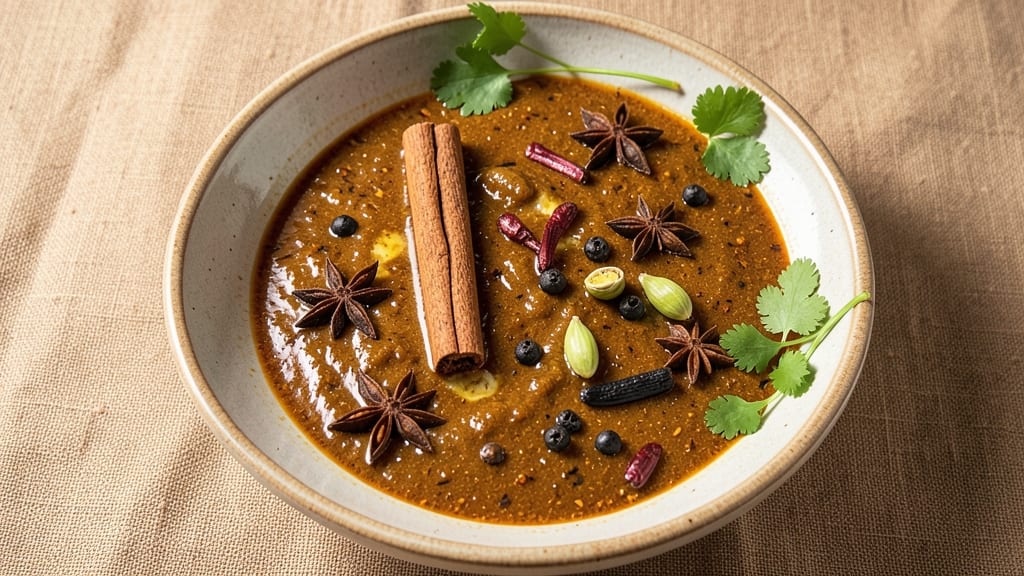
This authentic curry sauce recipe transforms simple pantry staples into a restaurant-quality base that carries the soul of traditional Indian cooking. The secret lies in properly blooming whole spices in hot oil—this step unlocks deep, aromatic layers that jarred powders can't replicate.
I've perfected this method over years of testing, ensuring the sauce delivers balanced heat without overpowering your dish.
What sets this curry sauce apart is its versatility and longevity. The rich, velvety texture comes from slow-cooked tomatoes and coconut milk, while tempered spices add complexity that elevates everything from grilled chicken to roasted vegetables.
Unlike many recipes, this one builds flavor gradually through proper technique rather than relying on excessive spice levels. The result? A sauce that tastes better with each use, even after storage.
By the time you're done, you'll have a deeply aromatic sauce with perfect balance—sweet, tangy, and spiced just enough to excite without overwhelming. The key steps include proper spice blooming, gradual simmering, and careful heat management to preserve each ingredient's integrity.
This isn't just another curry paste; it's a foundation that transforms ordinary meals into extraordinary ones.
Perfect for meal prepping, freezing, or using immediately, this sauce adapts to any protein or vegetable while maintaining its authentic character. The recipe yields about 3 cups—enough for multiple meals—making it both practical and impressive.
Let's create something that tastes like it came from a family kitchen in Mumbai or Chennai.
Ingredients for authentic curry sauce
Pantry staples meet aromatic spices to create a deeply flavorful curry sauce foundation.
| Ingredient | Amount | Notes |
|---|---|---|
| Ghee or Vegetable Oil 🫒 | ½ cup | High smoke point preferred |
| Whole Cinnamon Sticks 🌿 | 2 whole | Lightly crushed for aroma |
| Cardamom Pods 🌿 | 6 whole | Green cardamom preferred |
| Black Cardamom Pods 🌿 | 2 whole | For smoky depth |
| Cloves 🌿 | 4 whole | Whole, not ground |
| Black Peppercorns 🌶️ | 1 tsp | Whole, lightly crushed |
| Fresh Ginger 🧅 | 2 tbsp | Finely grated, skin on |
| Garlic Cloves 🧄 | 6 cloves | Peeled, roughly chopped |
| Canned Crushed Tomatoes 🍅 | 14 ½ oz | San Marzano preferred |
| Coconut Milk 🥥 | 13 ½ oz | Full-fat for richness |
| Tomato Paste 🍅 | 2 tbsp | High-quality, no additives |
| Ground Turmeric 🌿 | 1 tsp | Freshly ground preferred |
| Garam Masala 🌶️ | 1 tsp | Homemade if possible |
| Salt 🧂 | 1 tsp | Diamond Crystal preferred |
| Lemon Juice 🍋 | 1 tbsp | Freshly squeezed |
The spices are the heart of this sauce, so source them carefully. Whole spices from Penzeys or bulk bins at Indian markets deliver superior flavor over pre-ground powders. Lightly crush the cinnamon sticks and cardamom pods with the flat side of your knife to release their oils without turning to dust. Black cardamom is non-negotiable for that authentic smoky depth—substituting with regular cardamom will noticeably alter the character. The ginger and garlic should be vibrant, with no signs of sprouting or softness. For the tomatoes, San Marzano cans are worth the investment—their sweetness and consistency make all the difference in balancing the spices.
No whole spices? Pre-ground spices work at half the amount, though texture and aroma will differ. Substitute black cardamom with an extra pinch of regular cardamom plus a dash of smoked paprika for depth. Coconut milk can be swapped for light coconut milk, though the sauce will be slightly thinner. For a tangier profile, add an extra tablespoon of lemon juice or a splash of apple cider vinegar. The tomato paste can be omitted entirely if you prefer a lighter sauce, though it adds body and sweetness that complements the spices beautifully. Always taste as you go—this sauce builds complexity through gradual adjustments rather than predetermined measurements.
Store the sauce in an airtight glass jar in the refrigerator for up to 1 week, though flavor actually improves after the first day as ingredients meld. For longer storage, freeze in ice cube trays for single-use portions or in a single container for up to 3 months. When reheating, do so gently over low heat to prevent curdling. The sauce thickens as it cools, so add a splash of water or coconut milk if needed when reheating. This sauce is incredibly versatile—use it as a base for curries, stir-fries, or even as a marinade for grilled proteins.
Why You'll Love This Recipe
- No-Sweat Spice Work: I swear by this method—just toast the whole spices (cinnamon, cardamom, cloves) in ghee for three minutes, then crush them right in the pan. No separate mortar needed, no messy spice blends to buy. That golden oil alone? Worth the effort.
- Layered Warmth: The black cardamom hits different—smoky, almost licorice-like—while the green cardamom brings bright citrusy punch. Honestly, the first time I tasted it, I thought, "Why didn’t I do this sooner?" It’s that good.
- Meal Prep MVP: This sauce keeps for a week in the fridge and freezes like a dream. Slap it on roasted veggies, toss with rice, or drizzle over grilled chicken—it’s my go-to for lazy Sundays or when I’m feeding a crowd. (Yes, even on a Tuesday night.)
- Budget-Friendly Luxury: You’re using whole spices, not pre-ground dust, so every penny stretches further. A single batch of this sauce costs me less than takeout but tastes like a restaurant chef’s secret. Between us, that’s the real win.
Step-by-step instructions for authentic curry sauce
Aromatic whole spices and slow-cooked tomato base create the foundation for this restaurant-quality curry sauce.
Bloom the Whole Spices in Ghee
Heat the 0.5 cup ghee or vegetable oil in a medium saucepan over medium-low heat. Add the 2 whole cinnamon sticks, 6 whole cardamom pods, 2 whole black cardamom pods, 4 whole cloves, and 1 tsp black peppercorns. Stir gently for 2-3 minutes until the spices release their essential oils and the mixture smells deeply fragrant.
This step is critical for authentic flavor development. Watch for the spices to begin to sizzle and darken slightly—this indicates they're releasing their aromatic compounds. If the oil starts to smoke, reduce the heat immediately to prevent burning. The spices should be lightly toasted but not charred.
Add Ginger, Garlic, and Tomato Base
Increase heat to medium and add the 2 tbsp finely grated fresh ginger and 6 cloves roughly chopped garlic. Sauté for 1-2 minutes until the garlic becomes golden and fragrant. Stir in the 2 tbsp tomato paste and cook for another 30 seconds to deepen its flavor.
Next, pour in the 14.5 oz canned crushed tomatoes and 1 tsp ground turmeric. Stir well to combine, scraping up any browned bits from the bottom of the pan. This creates a rich, flavorful base that will carry through the entire sauce. Let the mixture simmer uncovered for 10 minutes until it thickens slightly and the raw tomato taste mellows.
Build Depth with Coconut Milk
Reduce heat to low and gradually whisk in the 13.5 oz coconut milk. The sauce will lighten in color and become more velvety. Add the 1 tsp salt and 1 tsp garam masala, stirring well to distribute the spices evenly. Simmer gently for 15-20 minutes until the sauce thickens to a consistency where it lightly coats the back of a spoon.
This slow simmering allows the flavors to meld and develop complexity. Stir occasionally to prevent the sauce from sticking to the bottom. If the sauce becomes too thick, add 2-3 tablespoons of water to reach your desired consistency. The sauce should be rich but still pourable.
Finish with Acid and Adjust Seasoning
Remove the saucepan from heat and stir in the 1 tbsp freshly squeezed lemon juice. This brightens the flavors and balances the richness of the coconut milk. Taste and adjust seasoning if needed—add more salt if the sauce tastes bland, or more garam masala if you want more warmth.
For an authentic touch, strain the sauce through a fine-mesh sieve to remove the whole spices if you prefer a smoother texture. Return the sauce to the saucepan and keep it warm over low heat until ready to serve. This curry sauce pairs beautifully with grilled meats, rice, or roasted vegetables, delivering that perfect balance of spiced depth and balanced heat.
Pro Tips For Making Authentic Curry Sauce
- CRACK THE SPICES FIRST: Toss whole spices into the ghee/oil before turning on the heat—this prevents burning. I used to add them cold and scramble, which scorched the cloves and ruined the aroma. Let them sit 30 seconds, then turn the flame to medium-low and stir constantly.
- USE BLACK CARDMAMOM LAST: Black cardamom is aggressive—add it only after the cinnamon and green cardamom have bloomed (about 30 seconds). I learned this the hard way: tossing it in early makes the sauce bitter. A quick sniff test tells you when it’s ready.
- STIR LIKE YOUR LIFE DEPENDS ON IT: The first two minutes after adding spices are non-negotiable. Constant stirring prevents the cinnamon sticks from burning while letting the cloves toast evenly. I know, I know—it’s tedious, but skipping this step turns your sauce into a bitter, smoky mess.
- TOAST THE GHEE UNTIL IT GLOWS: Heat the ghee until it’s actually golden, not just shimmering. This deepens the nutty base for the spices. Vegetable oil won’t give the same depth, but if you must use it, push it to the point of smoke—just don’t let it burn. (Yes, even if you’re impatient like me.)
Health benefits of this recipe
Anti-Inflammatory Power
This curry sauce is packed with turmeric and ginger, two potent anti-inflammatory spices that help reduce chronic inflammation in your body. The 1 tsp turmeric provides curcumin, a compound shown to decrease joint pain and stiffness.
Meanwhile, the 2 tbsp fresh ginger adds gingerol, which supports digestion and may help lower blood sugar levels. 💪
Heart-Healthy Fats
The 13.5 oz full-fat coconut milk delivers beneficial medium-chain triglycerides (MCTs), which support heart health by improving cholesterol profiles. These fats are metabolized quickly, providing sustained energy without the crash of refined sugars.
The ghee or vegetable oil used for blooming spices also adds heart-healthy monounsaturated fats when used in moderation.
Digestive Aid
Black cardamom and ginger work together to soothe digestion and reduce bloating. The 2 whole black cardamom pods contain cineole, which stimulates digestive enzymes, while the fresh ginger helps alleviate nausea and promotes gut motility.
This makes the sauce particularly comforting after heavy meals or when you're feeling under the weather. 🌿
Immune System Booster
The combination of garlic, ginger, and turmeric creates a powerful immune-supporting trio. Garlic contains allicin, which has antiviral and antibacterial properties, while turmeric enhances immune function through its antioxidant effects. The lemon juice adds vitamin C, further supporting your body's natural defenses against infections.
Rich in Antioxidants
This sauce is brimming with antioxidants from both the spices and vegetables. The cinnamon sticks provide manganese, which helps protect cells from oxidative stress, while the crushed tomatoes offer lycopene, a powerful antioxidant linked to reduced risk of chronic diseases.
The black peppercorns enhance turmeric's absorption by up to 2000%, maximizing its antioxidant benefits. 💛
Blood Sugar Support
The fiber-rich tomato base and spices like cinnamon and turmeric help regulate blood sugar levels. Studies show that cinnamon can improve insulin sensitivity, while the fiber in tomatoes helps slow glucose absorption.
This makes the sauce a smart choice for those managing blood sugar or following a balanced diet. The natural sweetness from tomatoes also reduces the need for added sugars in your dishes.
Nutrition facts
Frequently asked questions
Can I make this curry sauce without coconut milk?
Yes, but the texture and richness will change. For a lighter version, substitute with 1 cup vegetable broth plus 2 tablespoons cornstarch to thicken. For a creamier alternative, use ½ cup Greek yogurt (cooked gently to prevent curdling) or ½ cup cashew cream. The sauce will be less velvety but still deeply flavorful.
How do I adjust the spice level?
Start with the recipe as written for balanced heat. For milder flavor, reduce black peppercorns to ½ tsp and omit black cardamom. For extra heat, add ½ tsp cayenne pepper or 1 tsp Kashmiri chili powder at the end. Always taste before serving—you can't overdo it with garam masala, so add gradually.
Can I use this sauce in non-curry dishes?
This versatile sauce works beautifully in stir-fries, marinades for grilled chicken or fish, or as a dipping sauce for spring rolls. For stir-fries, reduce the sauce by 30% first to concentrate flavors. In marinades, use it as-is and reduce cooking time by 25% to prevent overcooking proteins.
Why does my sauce look too thin or too thick?
Thin sauce? Simmer uncovered for 5-10 more minutes to evaporate excess liquid. Too thick? Whisk in 1-2 tbsp water or coconut milk gradually until smooth. For best results, aim for a consistency where it lightly coats the back of a spoon—this ensures proper flavor balance and even coating when used in dishes.
How long can I store homemade curry sauce?
In an airtight glass jar in the fridge, it keeps for 5-7 days (flavor improves after 24 hoursice cube trays (for single servings) or a single container (up to 3 months**). Thaw overnight in the fridge—never microwave directly from frozen to preserve texture.