
Sauces & Condiments
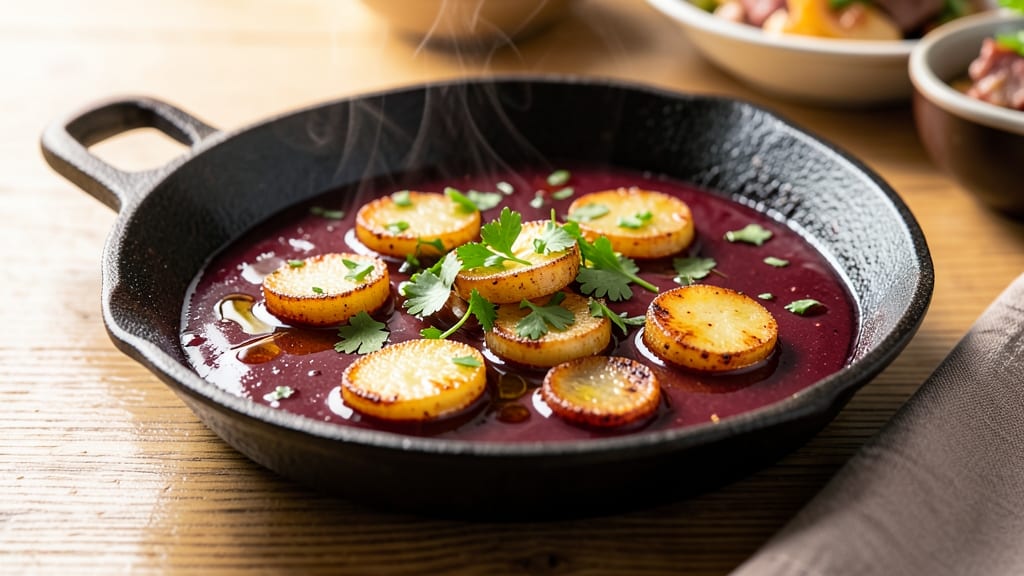
This au jus dipping sauce recipe transforms ordinary pan drippings into a rich, velvety sauce that elevates every bite—whether you're dipping roasted meats, crispy fries, or golden-fried appetizers.
The secret lies in balancing meaty depth with a crisp celery crown topping that adds texture and freshness, turning a simple pan gravy into something restaurant-worthy. I developed this after realizing how much better homemade au jus tastes compared to store-bought versions, and the celery crown was the game-changer.
The process is straightforward but packed with flavor: start with pan drippings, deglaze with a splash of red wine or broth, and reduce until thick and glossy. The celery crown—thinly sliced celery sautéed until crisp—adds a refreshing crunch that cuts through the richness of the sauce.
This isn't just a side; it's the star of the meal, turning leftovers into a gourmet experience with minimal effort.
What makes this sauce truly special is its versatility. Use it to drizzle over roasted chicken, pork, or beef, or serve it as a bold dip for fries, onion rings, or even crispy Brussels sprouts.
The celery crown adds a bright, herbal contrast that balances the savory depth of the au jus, making every spoonful (or dip) feel like a luxurious bite. It’s the kind of sauce that turns a simple meal into something memorable.
The best part? This recipe scales effortlessly—double the batch for a crowd and store leftovers in the fridge for up to a week. The celery crown can be prepped ahead and reheated quickly, so you’re always ready to serve.
Whether you're hosting a dinner party or just craving something richer, this au jus dipping sauce delivers professional-quality results with minimal fuss.
Ingredients for au jus dipping sauce
Pan drippings, wine, and celery crown make this restaurant-style sauce effortless.
| Ingredient | Amount | Notes |
|---|---|---|
| Pan Drippings 🍖 | 2 cups | From roasted meats, strained |
| Red Wine 🍷 | ½ cup | Bold dry variety like Cabernet |
| Beef Broth 🥄 | 1 cup | Low-sodium preferred |
| Celery Stalks 🧅 | 2 whole | Thinly sliced for crown |
| Olive Oil 🫒 | 2 tbsp | For crisping celery |
| Fresh Parsley 🌿 | ¼ cup | Chopped, for garnish |
| Butter 🧈 | 1 tbsp | Unsalted, for richness |
| Cornstarch 🌾 | 1 tsp | For thickening sauce |
| Salt 🧂 | ½ tsp | Adjust to taste |
| Black Pepper 🌶️ | ¼ tsp | Freshly ground |
The pan drippings are the foundation—save them from roasted meats like beef, pork, or chicken. Costco or Whole Foods often sell pre-made drippings if you're short on time, but homemade always tastes better. For the red wine, any bold dry variety works—Cabernet, Merlot, or even a cheap Trader Joe's bottle. The celery crown is key: look for crisp, vibrant stalks at the store, and slice them paper-thin for perfect crunch. If you're feeling fancy, organic celery adds a sweeter flavor, but regular works too.
No red wine? Beef broth with a splash of balsamic vinegar works in a pinch. The celery crown can be prepped ahead and stored in the fridge for up to 3 days—just reheat in a dry pan until crisp again. For extra richness, swap the butter for vegetable shortening, though butter adds the best flavor. If your sauce is too thin, cornstarch slurry (mix cornstarch with cold water) is your best friend. And if you're out of parsley, cilantro or chives add a nice brightness instead.
This sauce keeps for 5-7 days in the fridge, and the celery crown reheats beautifully—just a minute in a dry pan. For a crowd, double the batch and store in glass jars with a tight seal. The celery crown can be frozen for up to 2 months, though it loses some crunch. I always make extra because it disappears fast—perfect for dipping fries, roasted veggies, or even as a topping for burgers.
Why You'll Love This Recipe
- Pan Magic: I swear by this trick—just skim the fat from your leftover roast drippings, and boom, you’ve got the base of something restaurant-worthy. No extra shopping trips, no wasted ingredients.
- Wine-Infused Richness: That splash of red wine? It’s not just for show—it deepens the sauce into something velvety and complex, like a grown-up version of ketchup. The celery adds a subtle crunch that keeps it from being too heavy.
- Game for Any Meal: Slather it on fries, dip your steak bites, or pour it over grilled chicken—it’s the ultimate neutral canvas. Honestly, I’ve even used it as a quick marinade when I’m lazy to plan ahead.
- Zero-Waste Luxury: Turns out, your dinner scraps are gold. The beef broth and drippings give it depth without costing a fortune, and leftovers? They keep for days in the fridge, ready to rescue future dinners.
Step-by-step instructions for au jus dipping sauce
Transform simple pan drippings into a rich, restaurant-quality sauce with a crispy celery crown topping.
Sear the Celery Crown for Crunch
Heat the 2 tablespoons olive oil in a large skillet over medium-high heat until shimmering. Add the 2 whole celery stalks, sliced thinly into rounds, and cook undisturbed for 3-4 minutes until the edges turn deep golden brown and crispy. Real talk: this is where the magic happens—those crispy celery pieces will add texture and flavor that store-bought au jus can't match.
Flip the celery slices carefully with tongs and cook another 2-3 minutes until evenly browned. Remove them from the skillet and set aside on a paper towel-lined plate to drain excess oil. Keep the skillet on the heat—you'll use it again for the sauce base.
Build the Sauce Base with Wine and Broth
Pour the 2 cups pan drippings into the same skillet and place it over medium heat. Let it come to a gentle simmer, then add the 0.5 cup red wine. I always use a bold dry red like Cabernet—it adds depth without overpowering. Let the wine reduce by half, which should take about 3-4 minutes, until you notice the aroma intensify and the liquid darkens slightly.
Once the wine has reduced, stir in the 1 cup beef broth and the 1 tablespoon butter. Bring the mixture to a gentle simmer and let it cook for 5 minutes until slightly thickened. This step develops the sauce's rich, savory foundation. If you see any browned bits clinging to the bottom, use a wooden spoon to scrape them up—those are packed with flavor.
Thicken and Season the Sauce
In a small bowl, whisk together the 1 teaspoon cornstarch with 2 tablespoons cold water until smooth. Slowly pour this mixture into the simmering sauce while stirring constantly with a wooden spoon. The sauce will thicken almost immediately—keep stirring for 1-2 minutes until it reaches a glossy, velvety consistency that coats the back of a spoon.
Remove the skillet from heat and stir in the 0.5 teaspoon salt and 0.25 teaspoon black pepper. Taste and adjust the seasoning if needed—this sauce should be rich but not overly salty. The cornstarch slurry is the secret to getting that perfect gravy-like texture without making it gluey.
Finish with Fresh Parsley and Crispy Celery
Stir in the 0.25 cup chopped fresh parsley and let it wilt slightly in the warm sauce. This adds a bright, fresh finish that cuts through the richness. Return the crispy celery crown pieces to the skillet and toss gently to coat them in the sauce. The heat will make them slightly softer but still retain their satisfying crunch.
Serve the au jus immediately in a warm sauceboat or small bowl, with the celery crown pieces arranged on top. The contrast of the warm, silky sauce with the crispy celery adds a whole new dimension to your dipping experience. This sauce pairs perfectly with roasted meats, fried chicken, or even as a dip for fries—it's that versatile.
Pro Tips For Making Au Jus Dipping Sauce
- Strain Twice: Pour the au jus through a fine-mesh sieve first, then a cheesecloth—yes, it’s extra work, but you’ll catch all those tiny bits that make the sauce look cloudy and ruin the texture. I used to skip this and ended up with a sauce that felt gritty, no matter how much I strained.
- Deglaze Hot: Wait until the pan is still smoking slightly before adding your red wine—this is how you pull every last bit of flavor from the drippings. Cold wine just sits there; hot wine works like a scrub brush. I learned this after making a sauce that tasted watered-down.
- Salt the Celery: Toss the chopped celery in a pinch of salt before adding it to the pan—it releases moisture and deepens the flavor when it cooks. Sounds weird, but it works: the sauce gets a richer, more complex taste without needing extra seasoning later.
- Simmer, Don’t Boil: Keep the heat low enough that the sauce barely bubbles—if it’s rolling like a pot of pasta water, you’re cooking off the alcohol and turning the wine into vinegar. A gentle simmer preserves the balance of flavors and keeps the sauce smooth. I’ve ruined more au jus this way than I’d admit.
Essential equipment for this dish
Skillet Essentials
Your 10-inch cast-iron skillet is the workhorse here—I swear by Lodge Pre-Seasoned for its even heat distribution and natural non-stick properties after proper seasoning. The deep sides help prevent spills when deglazing with wine, and it retains heat beautifully for crisping the celery crown.
If you don’t own cast iron, a heavy stainless steel skillet like All-Clad works too, though you’ll need to monitor heat more carefully. 🔥
Deglazing Tools
For wine reduction, grab a wooden spoon (I use OXO Good Grips) to stir without scratching your skillet. A heatproof spatula helps scrape up those flavorful browned bits from the bottom—those are called fond, and they’re packed with umami goodness.
Keep a fine-mesh strainer handy if your pan drippings are particularly greasy; strain them into a measuring cup before using. 🥄
Thickening Arsenal
The cornstarch slurry is your thickening secret weapon. Mix it in a small bowl using a whisk (I prefer Cuisinart Stainless Steel) for smooth results. For extra precision, a digital kitchen scale ensures accurate measurements—especially important when working with small amounts like 1 teaspoon cornstarch.
A ladle with a pour spout helps transfer the sauce to serving dishes without spills. ✨
Crispy Celery Prep
Thinly slicing celery requires a sharp chef’s knife (I recommend Wüsthof Ikon) and a mandoline for even slices if you’re feeling fancy. A tongs set (like Mercer Culinary Genius) makes flipping those delicate slices effortless.
For draining excess oil, line a plate with paper towels—I keep a roll nearby for quick cleanups. Pro tip: Use a small offset spatula to transfer crispy slices to the sauce without crushing them. 🧅
Serving Gear
Serve your au jus in a warm sauceboat (I love Le Creuset’s ceramic versions) to keep it piping hot. A small ladle with a long handle lets you drizzle elegantly over meats or fries.
For garnish, a pair of kitchen shears makes quick work of chopping fresh parsley. Store leftovers in glass jars with airtight lids—I use Ball Mason jars for easy reheating. 🍽️
Nutrition facts
Frequently asked questions
Can I make this au jus without red wine?
Swap the 0.5 cup red wine for 0.5 cup beef broth plus 1 tablespoon balsamic vinegar for depth. For a non-alcoholic version, use apple cider vinegar instead—it adds brightness without the wine's richness. The key is maintaining acidity to balance the meaty flavors.
How do I store leftovers to keep the celery crown crispy?
Store the sauce and celery crown separately in airtight containers. Reheat the sauce in a saucepan over low heat, then crisp the celery in a dry skillet for 1-2 minutes before serving. For longer storage, freeze the celery crown in a single layer before bagging—it reheats beautifully but loses some crunch.
What meats work best for pan drippings?
Beef (like ribeye or sirloin) and pork (chops or tenderloin) create the richest drippings, but chicken thighs work too. Avoid lean cuts—they won't yield enough fat for a velvety sauce. If you're short on drippings, add 1 tablespoon butter or olive oil to the pan before deglazing to boost flavor.
Why did my sauce turn out too thin?
This usually happens from one of three things: not reducing the wine enough, adding too much broth, or underestimating the cornstarch slurry's power. For next time, reduce the wine until syrupy, measure broth carefully, and use 1.5 teaspoons cornstarch if needed. A quick fix? Simmer uncovered for 5-10 minutes to evaporate excess liquid.
Can I make this sauce ahead of time?
Yes! Prepare the sauce base (without celery) up to 3 days ahead and refrigerate. Reheat gently, then add fresh celery crown just before serving. For a 2-hour head start, make the celery crown separately and store it in the fridge—it reheats perfectly. The sauce actually improves overnight as flavors meld.